
Last updated November 2, 2026
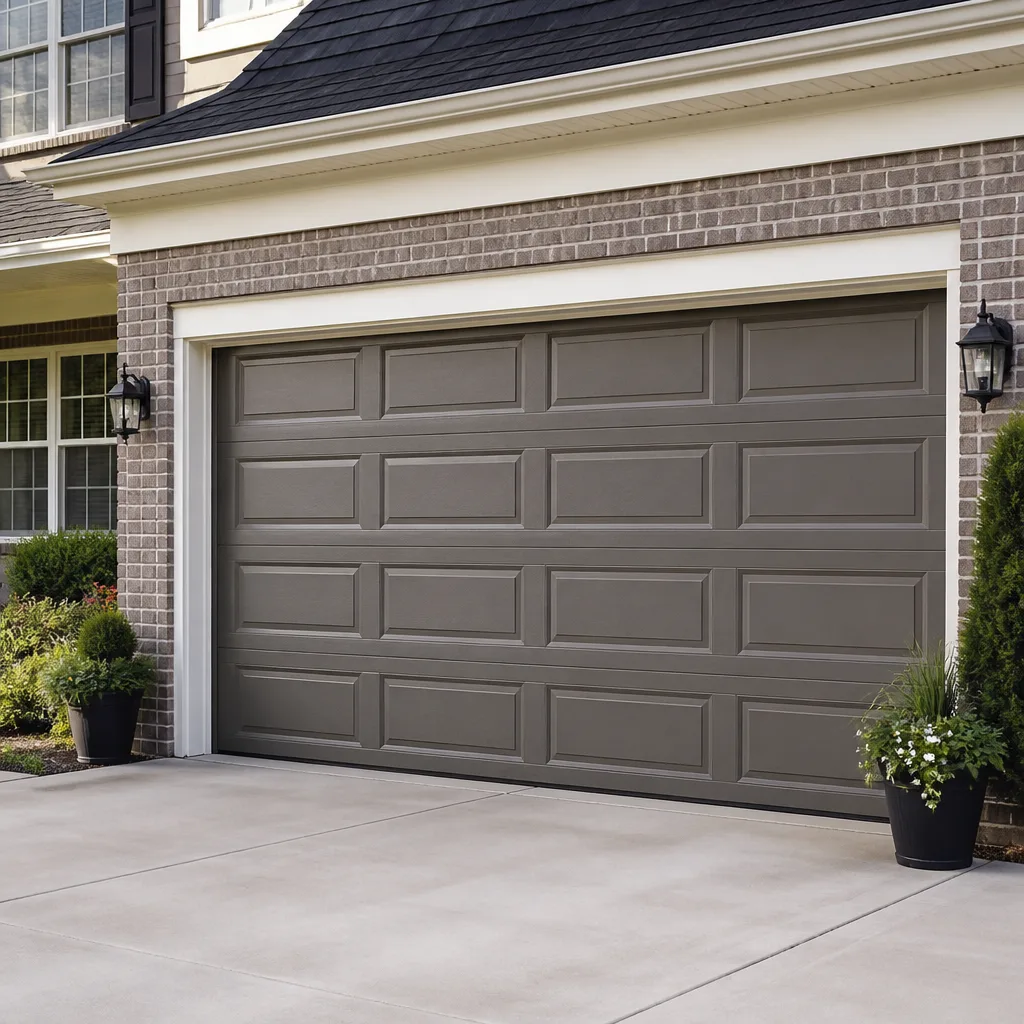 Raised-panel steel
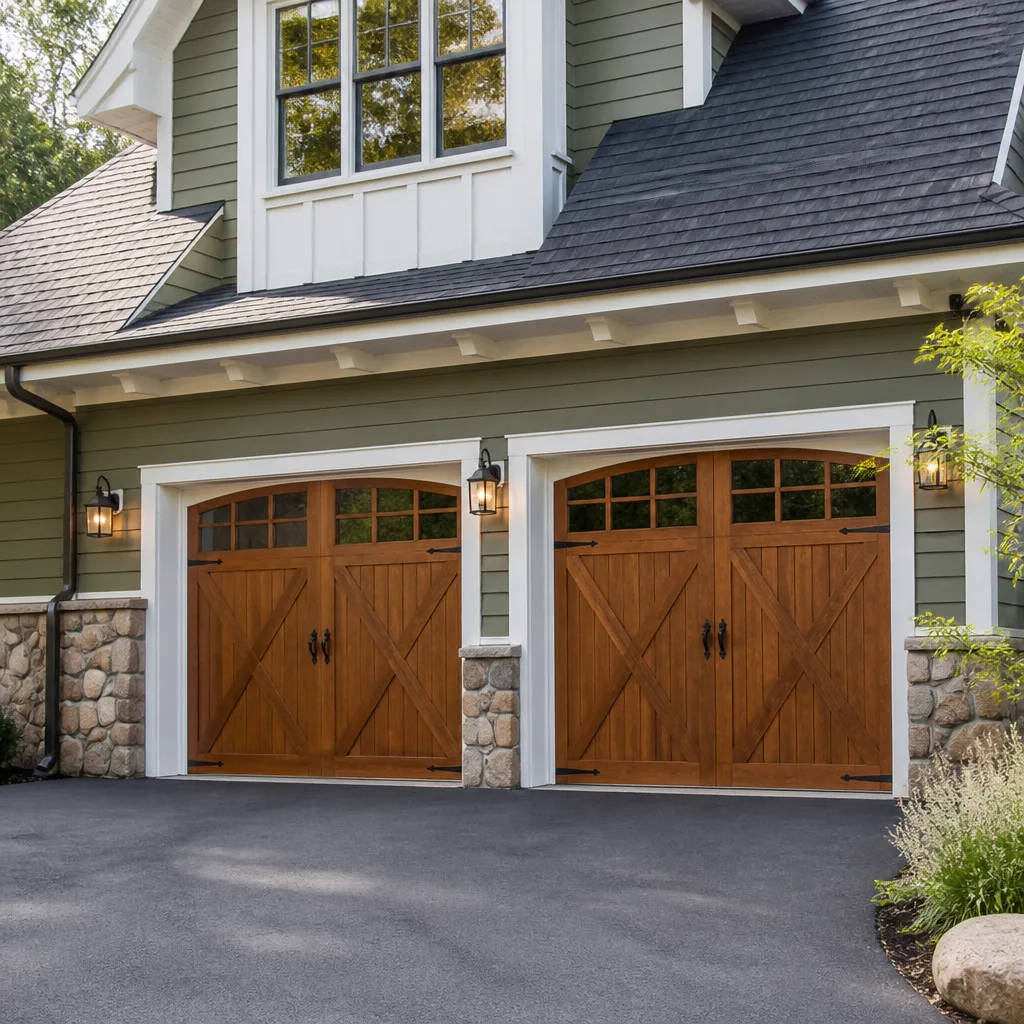 Carriage house
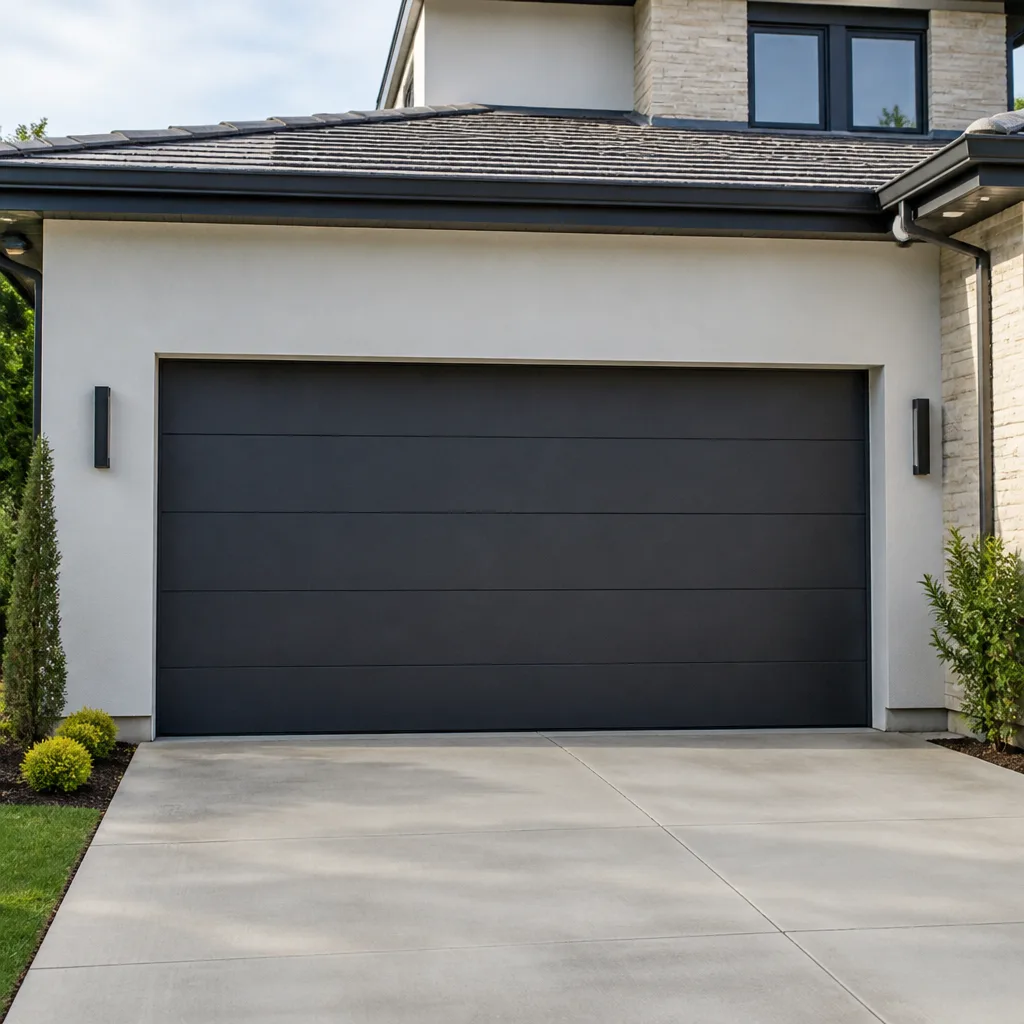 Modern flush
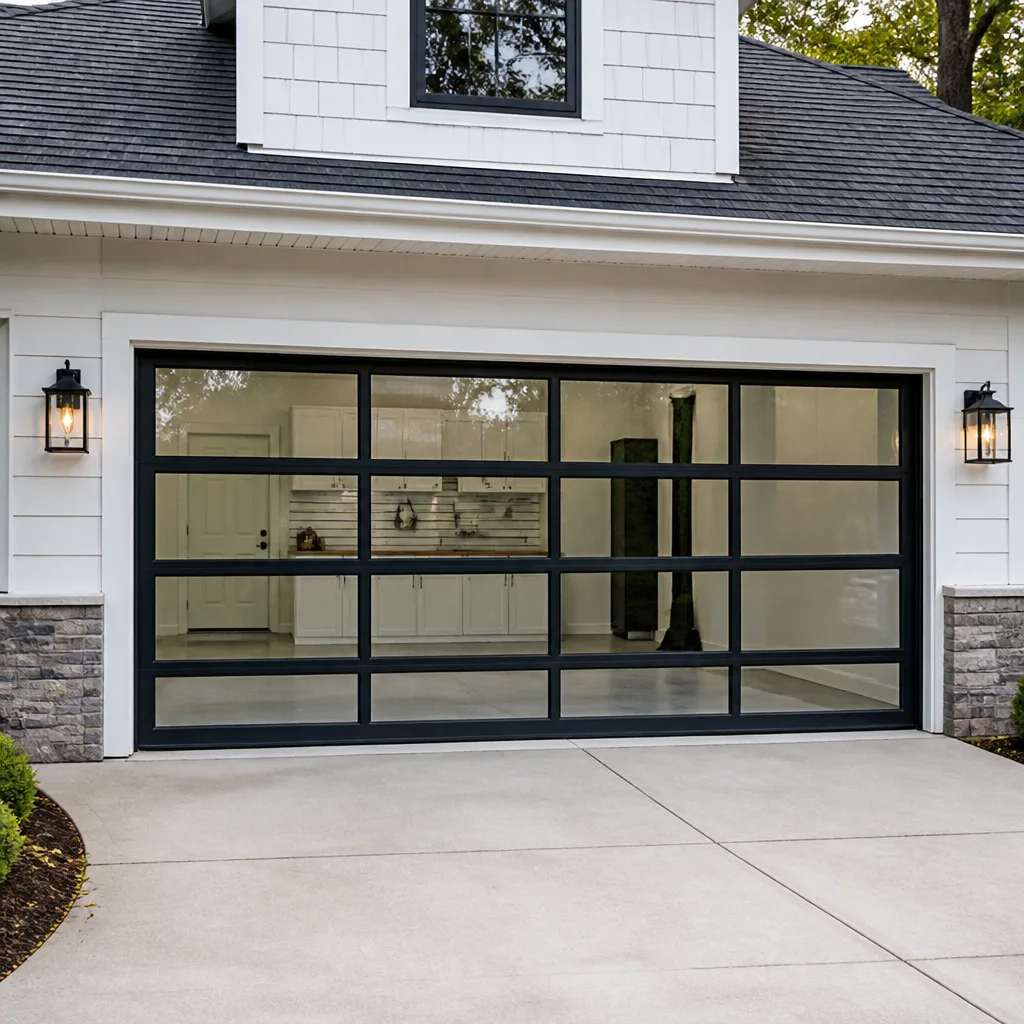 Full-view glass
 LiftMaster openers
 Chamberlain openers
Full 25-point door and opener safety check with every visit - springs, cables, rollers, tracks, and your LiftMaster or Chamberlain opener included
You get a price before we start. It does not change when the truck arrives.
Get your free estimateGarage Door Warning Signs: A Cathedral City Homeowner’s Reference Guide
A garage door spring doesn’t just snap without warning. It telegraphs the failure for weeks, sometimes months, through specific sounds, movement changes, and visual cues that most homeowners never learn to read. In Cathedral City, the desert heat compresses that warning window dramatically. The same spring that might give a Chicago homeowner six months of audible notice will often show only three to six weeks of symptoms here, because sustained 110-degree afternoons accelerate metal fatigue and polymer breakdown faster than national garage door guides account for. This reference guide translates those symptoms into actionable signals, mapped to the specific components they point to, so you can address a developing problem before it strands your car in the driveway or worse, injures someone.
Styles & brands we work with
- Raised-panel steel
- Carriage house
- Modern flush
- Full-view glass
- LiftMaster openers
- Chamberlain openers
Quick Answer
The most common garage door warning signs in Cathedral City include a door that opens slower than it did six months ago, a grinding or squealing sound that changes pitch, visible gaps in torsion spring coils, a door that drifts downward when stopped halfway, and UV-bleached or cracked weatherseal along the bottom panel. Any one of these signals a component nearing the end of its service life, and in Cathedral City’s heat, the progression from warning to failure happens faster than in coastal or cooler climates.
Table of Contents
- Sound Signatures: What Your Garage Door Is Telling You
- Desert-Specific Visual Warnings: UV Damage, Oxidation, and Panel Warp
- How to Spot a Spring Within Weeks of Failure
- Opener Warning Signs Most Homeowners Blame on the Remote
- The Response Time Test: Your Baseline Health Metric
- The Balance Test: A 60-Second Diagnostic
- Common Mistakes to Avoid
- When to Call a Professional
- Frequently Asked Questions
- The Bottom Line
Sound Signatures: What Your Garage Door Is Telling You
A noisy garage door isn’t one problem. It’s a set of distinct signatures, each pointing to a different component, and the difference between “annoying” and “about to fail” is in the specifics of the sound. We work on every major brand that shows up in Cathedral City neighborhoods, from Wayne Dalton doors in Rancho Mirage adjacent communities to Craftsman and Raynor openers in the older sections of Cathedral City proper. The sounds translate the same way across brands.
Here’s what each signature means:
- High-pitched squeal that stops when the door stops moving: This is almost always a roller bearing. The roller itself is fine, but the sealed bearing inside has lost its lubrication or begun to pit. Left alone, the roller eventually seizes, which forces the door to drag through the track. That drag then stresses the opener’s travel mechanism and the hinges.
- Grinding or metallic scraping, especially near the top of the door: This points to the torsion spring coils rubbing against each other, which happens when a spring begins to lose tension and the coils shift slightly out of alignment. This is a pre-failure sound. When you hear it, the spring is actively working its way toward a break, and the timeline in Cathedral City’s heat is measured in weeks, not months.
- Rhythmic thumping or clunking as the door travels: This usually means a hinge is loose or a section joint has begun to separate. It can also be the door itself shifting on its tracks. The thump happens at the same point in the travel cycle every time, which is your clue that it’s a specific location, not a general condition.
- Low rumble or vibration that you feel in the ceiling or wall: This is often the opener’s drive gear or belt tensioner. It’s a different problem than the door itself, and it gets worse as the opener’s internal components wear.
- Chattering or rattling when the door is in the closed position: If you hear this when the door isn’t moving, especially on windy days, it’s usually loose track bolts or worn weatherseal allowing panel movement.
The key distinction: a door that has always made a little noise and still moves smoothly is a lubrication issue. A door where the noise started recently, changed pitch, or now accompanies slower movement is a component issue. In Cathedral City, where fine desert dust acts as an abrasive on moving parts, that transition from “needs lube” to “needs a part” happens faster than most national maintenance guides suggest.
Desert-Specific Visual Warnings: UV Damage, Oxidation, and Panel Warp
National garage door content talks about rust, dents, and broken hinges. Those exist here too, but Cathedral City’s climate produces a different set of visual warning signs that matter more. If your door faces south or west, it takes direct afternoon sun for eight to ten months of the year, and that exposure leaves marks you can read.
UV-bleached weatherseal: The rubber or vinyl strip along the bottom of your door is a wear item, and in Cathedral City it wears visibly. Look for a seal that has turned from black to gray, feels stiff or brittle to the touch, or shows cracks along the folds. A compromised bottom seal does two things: it lets heat in, which matters when your garage shares a wall with living space, and it lets fine desert dust accumulate inside the tracks. That dust mixes with the track’s lubricant and turns into a grinding paste that accelerates roller wear. If your seal shows visible cracks, it’s already past due.
Oxidized hardware: Hinges, brackets, and bolts on desert-exposed doors develop a white or chalky surface oxidation that looks different from rust. It’s aluminum and zinc corrosion, and it’s progressive. Oxidized hinge pins bind instead of pivoting freely, which forces the door panels to flex. You’ll sometimes see stress fractures radiating from a hinge plate on an older door, especially on Raynor and Craftsman doors from the early 2000s that used thinner gauge hardware.
Panel warp patterns: Steel and aluminum garage door panels expand and contract with temperature swings. Cathedral City’s day-to-night spread, especially in spring and fall, can exceed 40 degrees. Over years, this cycling causes panels to bow slightly, and you can see it as a subtle convex curve when you look down the face of the door from the side. A door that has warped will often show light leaking through the section joints at certain angles, and it will feel like it “hesitates” at one point in the travel cycle. Warp isn’t an emergency by itself, but it’s a sign that the door’s structural integrity is declining, which means the next repair needs to account for the whole door, not just the immediate symptom.
How to Spot a Spring Within Weeks of Failure
Torsion springs are the most dangerous component on a garage door system. They hold hundreds of pounds of tension, and a spring that releases suddenly can cause serious injury to anyone standing nearby. We want to be direct about this: the checks below are visual and observational only. If any of them indicate a problem, the right move is a call to a trained professional, not a DIY spring replacement. Garage door repair in Cathedral City is work we do every week, and spring replacement is one of the most common calls.
There are three specific observations you can make from the safety of the garage floor:
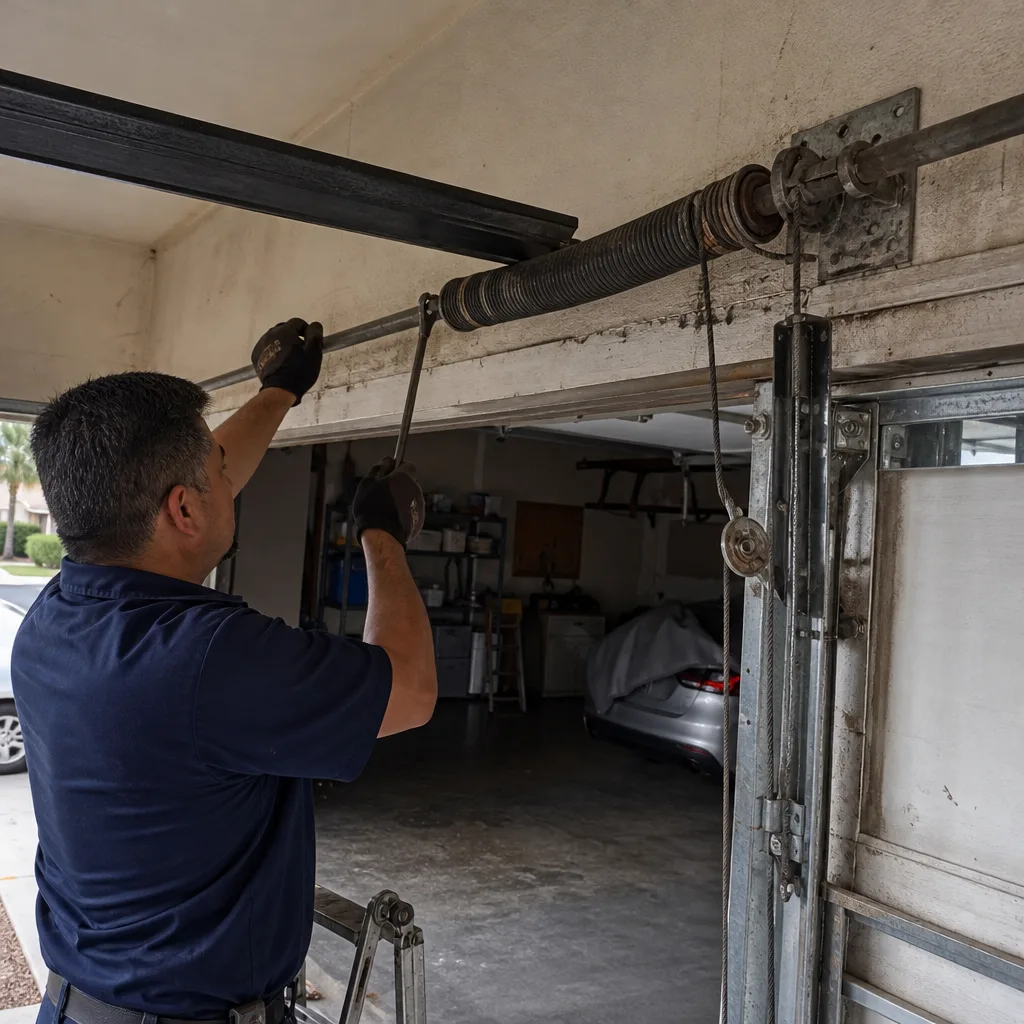
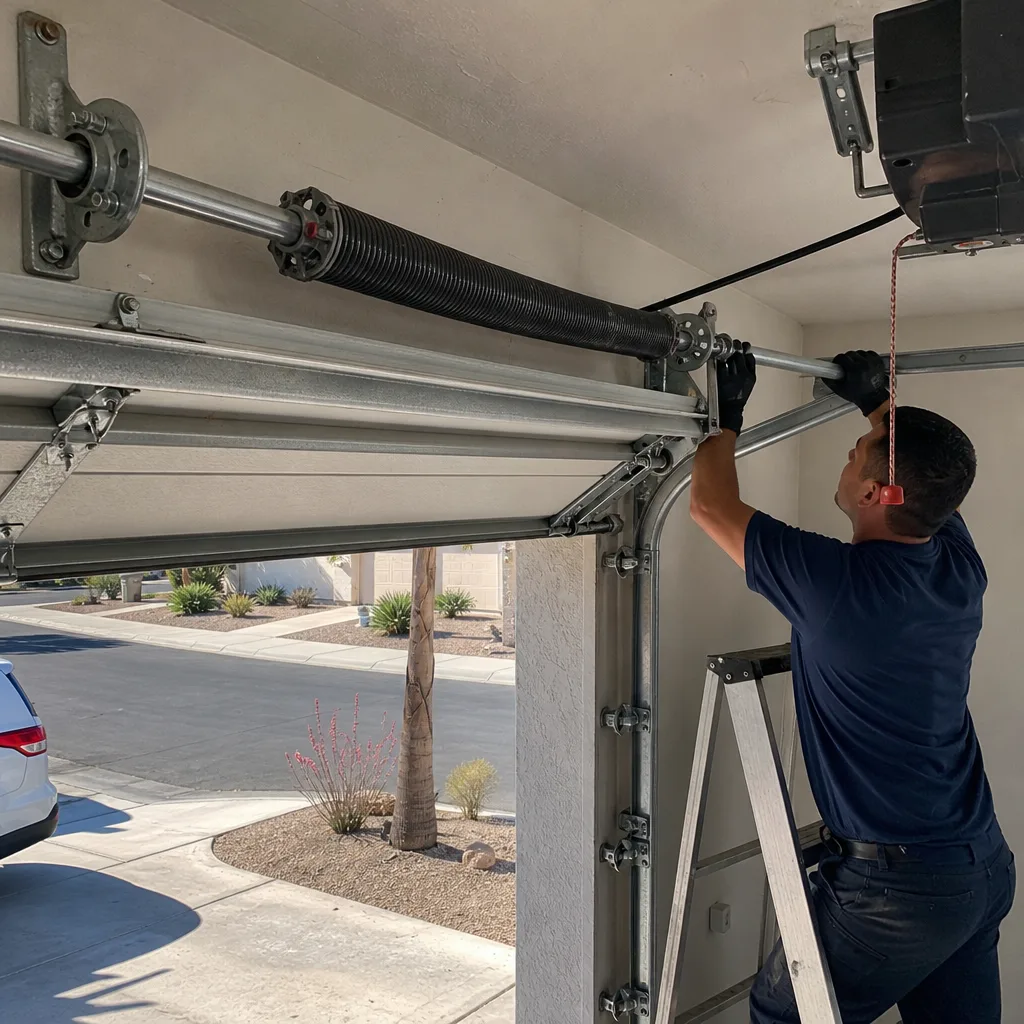
- The gap test: Look at your torsion spring, which is the coiled spring mounted on a shaft above the door opening. The coils should sit tightly against each other, with no visible light between them. If you can see a gap between any two coils, the spring has begun to lose its original tension. A gap narrower than the thickness of a credit card is early warning. A gap you can clearly see from six feet away means the spring is actively failing.
- The balance test: Disconnect the opener by pulling the red emergency release handle. Then manually lift the door to waist height and let go. A healthy door stays put or moves less than an inch. A door that drifts downward more than a few inches has a spring that’s lost tension. A door that slams down or is extremely heavy to lift has a spring that’s already failed partially or completely. Reconnect the opener by running it once after you finish.
- The coil-spacing check: Run your eye along the full length of the spring. The spacing between coils should be absolutely uniform. If you see a section where the coils are compressed tighter together or pulled farther apart, that’s a localized stress point, and it’s where the spring will eventually break. This check catches failures that the gap test misses, because the overall spring can look fine while one section is degrading.
If you see any of these signs, don’t run the door again if you can avoid it. Each additional cycle on a failing spring adds stress to the weak point. The timeline from first visible sign to snap in Cathedral City’s climate is typically two to six weeks, and that’s not a window worth gambling with.
Opener Warning Signs Most Homeowners Blame on the Remote
When a garage door opener starts misbehaving, the first assumption is usually a dead battery in the remote or a signal problem. That’s understandable, because the symptoms mimic each other. But there’s a way to tell the difference, and it matters a lot, because opener problems rarely fix themselves and they rarely stay cheap if ignored.
Slow travel speed: If your door takes noticeably longer to open or close than it did when the opener was new, the problem is rarely the remote. Batteries don’t cause slow travel. Slow travel points to a motor that’s working harder than it should, which is usually caused by one of three things: a door that’s out of balance and heavy, an opener drive system that’s wearing out, or track resistance that’s increased over time. The fix might be in the door, not the opener, which is why garage door opener repair in Cathedral City always starts with a check of the whole system, not just the opener box.
Hesitation at start: A healthy opener engages and starts moving the door within a second or two of the command. If you hear the opener motor run but there’s a delay before the door actually moves, that’s a sign of a loose belt or chain, worn gear teeth inside the opener, or a door that’s binding in the first few inches of travel. It’s a distinct feeling, almost like the opener is “thinking about it” before it commits.
Mid-cycle reversal: This is the one that confuses homeowners the most. The door starts closing, gets partway down, and then reverses back up for no apparent reason. If it does this consistently, and especially if it happens at the same point in the travel every time, it’s usually the opener’s force sensor responding to increased resistance at a specific spot. That resistance can come from a bent track section, a warped panel, or debris in the track. The opener is doing its job, protecting you from a door that’s fighting something. The real problem is whatever the door is fighting.
Opener runs but door doesn’t move: If you hear the motor but nothing happens, the drive system has disconnected from the door. On belt and chain drive openers, this is often a broken drive belt or a stripped gear. On screw drive openers, it’s usually a worn screw assembly. This is a hard failure, and it won’t respond to a new remote battery.
All of these symptoms share a common thread: ignoring them doesn’t save money. An opener that’s working harder than it should is consuming its own service life faster. The components wear, and eventually the repair is larger than it would have been weeks earlier. We service LiftMaster, Chamberlain, Genie, Craftsman, Raynor, and three other major brands, which means the answer is never “we don’t work on that one.”
The Response Time Test: Your Baseline Health Metric
Here’s a simple diagnostic that almost no national garage door guide includes: time your door’s full travel cycle. It takes about a minute, it costs nothing, and it gives you a baseline number you can track over time. This is the kind of thing that catches developing problems before they show up as symptoms.
Here’s the process:
- Open your garage door fully using the wall button, not the remote.
- Time it from the moment the door starts moving to the moment it fully stops in the open position.
- Close the door and time that cycle as well.
- Write both numbers down somewhere you’ll remember, a note on the garage wall works fine.
- Repeat the test every three months.
A healthy residential garage door takes about 12 to 15 seconds to travel from fully closed to fully open, depending on the door height and the opener model. The exact number matters less than the trend. If your baseline is 13 seconds and six months later it’s 17 seconds, that’s a 30% slowdown, and something is creating resistance. The most common causes in Cathedral City are dry rollers, dust-contaminated tracks, a spring losing tension, or an opener drive system wearing.
You can also do this test by ear if you don’t want to time it. Run the door and listen for changes in the motor’s pitch during the cycle. A healthy opener produces a consistent tone from start to finish. A change in pitch mid-travel means the motor is encountering variable resistance, which is always worth investigating.
The value of this test isn’t in the individual number. It’s in the trend line. Your door is a system, and systems that are failing tend to fail gradually before they fail suddenly. The response time test gives you a way to see the gradual part.
The Balance Test: A 60-Second Diagnostic
The balance test is the single most informative check you can do on your garage door, and it’s also the one that most directly predicts whether you’re heading toward a spring replacement. It’s safe to perform, requires no tools, and gives you immediate information about the health of your spring system.
Here’s the full sequence:
- Close the door completely.
- Pull the red emergency release handle to disconnect the opener from the door. This handle hangs from a rope near the opener rail, usually red, and it disengages the opener’s carriage so the door can be moved manually.
- Lift the door manually. It should lift smoothly, with moderate effort, about the same as carrying a full grocery bag in each hand. If it’s significantly heavier than that, the spring is failing.
- Raise the door to waist height and let go completely.
- Watch what happens. The door should stay in place, moving less than an inch. If it drifts down slowly, the spring is losing tension. If it drops quickly, the spring is essentially done and the door is now a dead weight on its cables.
- Lift the door to three-quarters height and let go again. It should stay put here too. If it drifts down from this position but held at waist height, the spring has uneven tension.
- Reconnect the opener by pulling the release handle again and running the opener once. You’ll hear it click back into engagement.
The balance test matters because a door that’s out of balance is the leading cause of premature opener failure. The opener is sized to move a balanced door. When the spring loses tension, the door gets heavier, and the opener’s motor, gears, and drive system all work harder to compensate. You’re essentially running your car up a steeper hill every time you open the garage. Fixing the spring before it breaks protects the opener too, which is the kind of full-system thinking that saves money long-term.
In Cathedral City specifically, we recommend doing the balance test before summer really sets in, around May, and again in October. The extreme temperature cycling of spring and fall is when we see the most spring failures, and catching a weak spring before a 115-degree July afternoon is a lot better than discovering it when your car is already stuck inside the garage.
Common Mistakes to Avoid
- Lubricating a failing spring instead of replacing it: Some homeowners spray lubricant on a noisy spring, which quiets it for a day or two, and then assume the problem is solved. Lubricant does not restore lost spring tension. The noise was the warning, and silencing the warning doesn’t change the underlying condition. If the gap test shows coil separation, the spring is done, regardless of how quiet it sounds after a spray.
- Replacing the opener when the spring is the problem: A garage door that’s hard to open, slow to travel, or reversing mid-cycle often gets blamed on the opener. We’ve replaced openers for Cathedral City homeowners who actually needed a spring, and we’ve also seen new openers installed on doors that destroyed them within a year because the underlying spring problem was never addressed. The whole system matters. Garage door installation in Cathedral City should always account for the spring and track condition, not just the opener box.
- Ignoring a bottom seal because “it’s just cosmetic”: The seal at the bottom of your door is a functional component, not trim. In Cathedral City, a failed seal admits dust that grinds down your rollers and tracks, and it lets heat into the garage that your air conditioner then has to fight. Replacing a bottom seal early is one of the cheapest preventive repairs on the table.
- Waiting until the door won’t open at all to call: By the time a door fails completely, the repair is almost always more expensive than it would have been at the first warning sign. A spring with an early gap is a lower-cost replacement than a spring that has snapped, potentially damaging the cables, the track, or the panels in the process.
- Assuming all garage door companies are the same: The garage door industry includes brand-exclusive dealers, general handyman services, and full-system specialists. We’re a full-system shop that works on eight major brands, which means we’re not steering you toward a specific manufacturer and we’re not learning on the job. If a company tells you they can replace your spring but doesn’t ask about your opener, find a different company.
- Doing DIY spring work on a torsion system: Torsion springs hold an enormous amount of stored energy, and the tools used to wind and unwind them are specialized. Every year, homeowners are seriously injured attempting spring replacements they saw in a video. This is the one component on your garage door where professional help isn’t optional. Even if you’re handy, the risk calculation doesn’t work out.
When to Call a Professional
Some garage door symptoms are diagnostic signals you can track and monitor. Others are calls you should make today. The distinction matters because the costs diverge quickly.
Call a professional the same day if you see a visible gap in your torsion spring coils, if your door is heavy enough to feel dangerous when lifting manually, if you hear a metallic scraping sound that wasn’t there last week, or if your door reverses mid-cycle and you’ve ruled out the obvious sensor blockage. Call soon if your door is slower than baseline on the response time test, if your weatherseal is cracked through in multiple places, or if you hear a new sound that you can’t map to a specific component. And if your door has already failed completely, call right away, because a door stuck open is a security issue and a door stuck closed is a transportation issue. Reliance Garage Door Service offers free estimates in Cathedral City. Call (833) 593-4550 and describe what you’re seeing and hearing to us.
Frequently Asked Questions
Garage door spring replacement in Cathedral City typically runs between $180 and $340 for a standard two-spring torsion system, with the final price depending on the door’s weight class, spring cycle rating, and the condition of the surrounding hardware. It’s a repair worth doing promptly, because a spring that snaps while the door is open can drop the door and cause additional damage that runs the total bill higher. Call (833) 593-4550 for an exact quote based on your specific door, estimates are free.
In most cases, yes, we can have a technician at your Cathedral City home the same day you call, and the diagnostic process itself usually takes less than an hour. We carry common parts for LiftMaster and Craftsman systems on the trucks, which means many repairs are completed on the first visit rather than scheduled for a follow-up.
The price is quoted and agreed before any work starts, and we don’t surprise homeowners with a larger invoice at the end of the job. The only situation where a quote changes mid-repair is if the technician discovers an additional problem that genuinely changes the scope of the work, and in that case you’ll approve the new number before anything else gets done. Call (833) 593-4550 for a free estimate.
We keep a comprehensive inventory of springs, rollers, hinges, belts, gears, and opener components on our service vehicles, which is the practical difference between a shop that repairs garage doors as a specialty and a generalist that has to order every part. In Cathedral City’s climate, we also keep a stock of UV-rated weatherseal and desert-duty hardware, because the parts that fail here aren’t always the same parts that fail in coastal markets.
For a door that gets daily use, we recommend a professional inspection once a year, timed for spring before the peak heat season begins, and you can find more guides & resources on our blog. The desert’s temperature swings stress garage door components differently than humid or temperate climates do, and an annual check catches spring fatigue, track wear, and weatherseal degradation before they become emergency calls.
Garage door components expand in high heat, and expansion changes the tolerances between moving parts. A roller that’s quiet at 80 degrees can start squealing at 110 degrees, and a spring that’s marginally in spec at room temperature can show gaps on a 115-degree afternoon. The heat isn’t creating the problem, it’s revealing a problem that already exists underneath. If your door is noticeably louder during Cathedral City summers, that’s a signal worth investigating, not a seasonal quirk to wait out. Call (833) 593-4550 and the team at Reliance Garage Door Service home can help you assess what’s happening with your system.
The Bottom Line
Your garage door talks before it fails. It squeals, scrapes, slows down, drifts, and bakes in the Cathedral City sun until the warning signs are impossible to miss if you know what you’re looking at. The spring gap test, the balance test, and the response time baseline are three free diagnostics that take less than five minutes combined and will tell you more about your door’s health than a year of hoping it keeps working. The desert’s heat accelerates every failure timeline, which means vigilance here isn’t optional, it’s the difference between a planned repair and an emergency call. If any of the signs in this guide match what you’re seeing or hearing, call (833) 593-4550 for a free estimate, or reach out and tell us what’s happening. We know the brands you own, we know the climate your door lives in, and one call covers it.
Written by the team at Reliance Garage Door Service, serving Cathedral City since 2016.
See the difference
 Before
 After
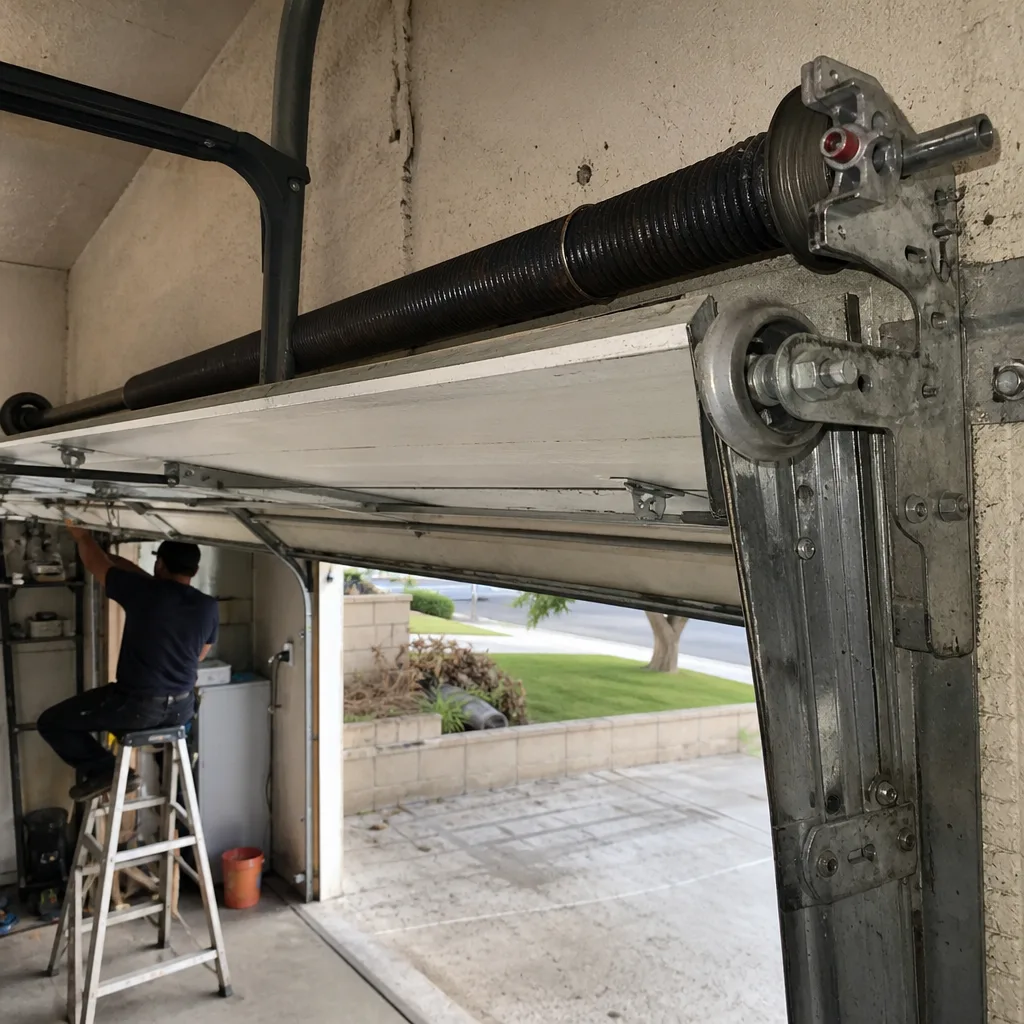 Before
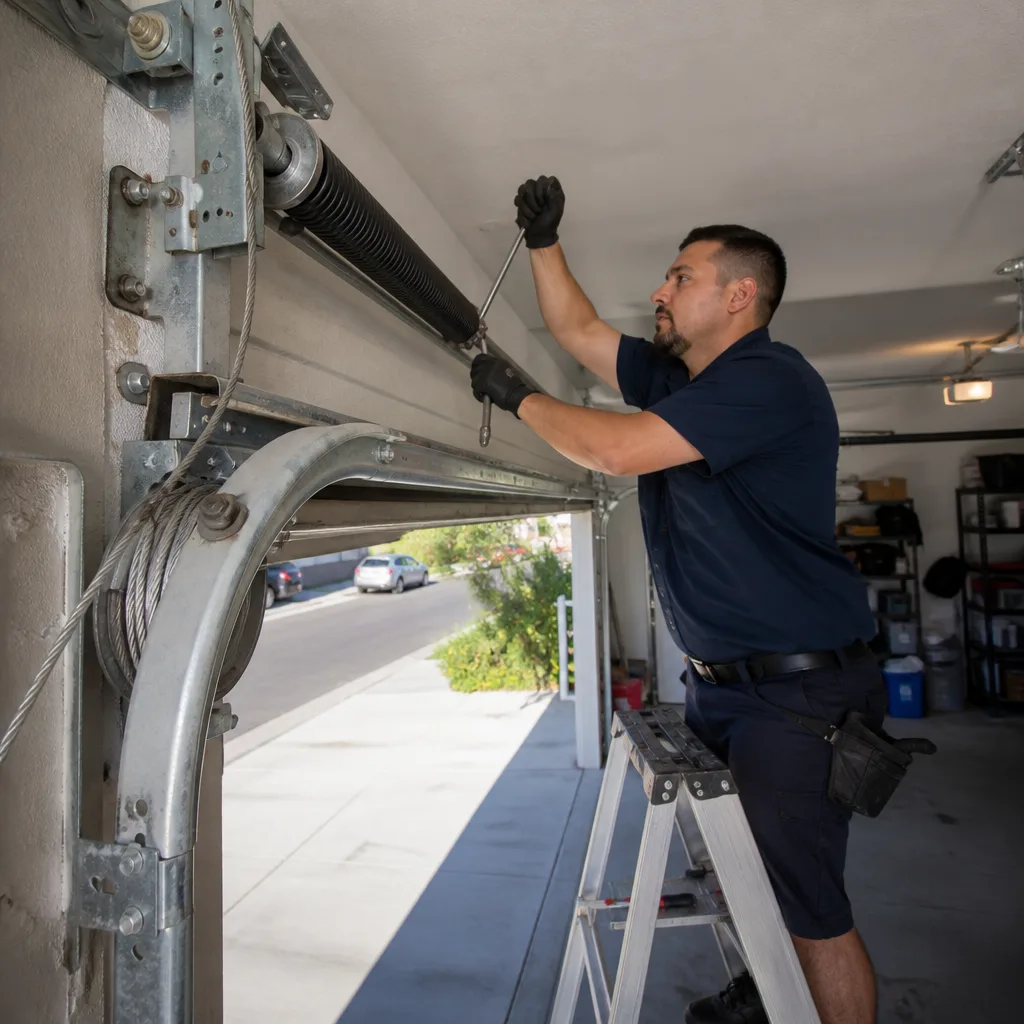 After
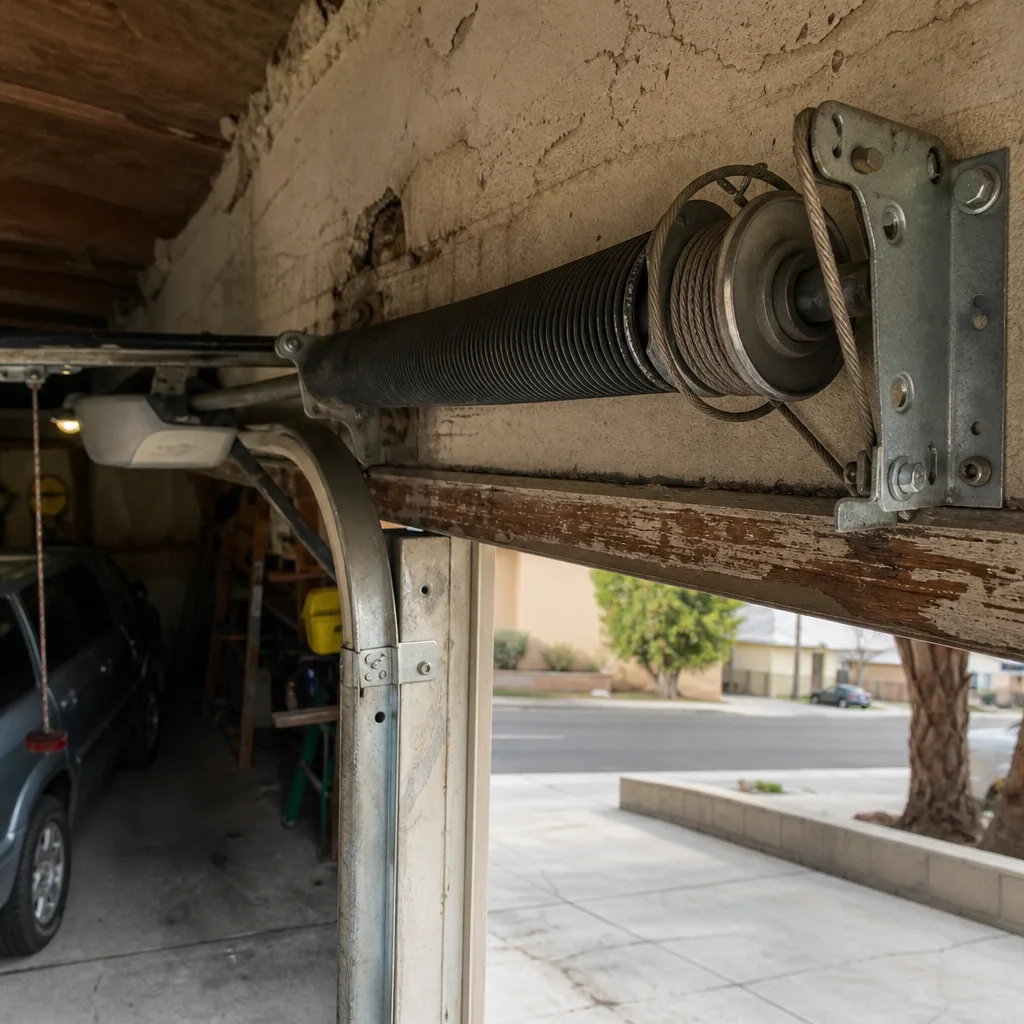 Before
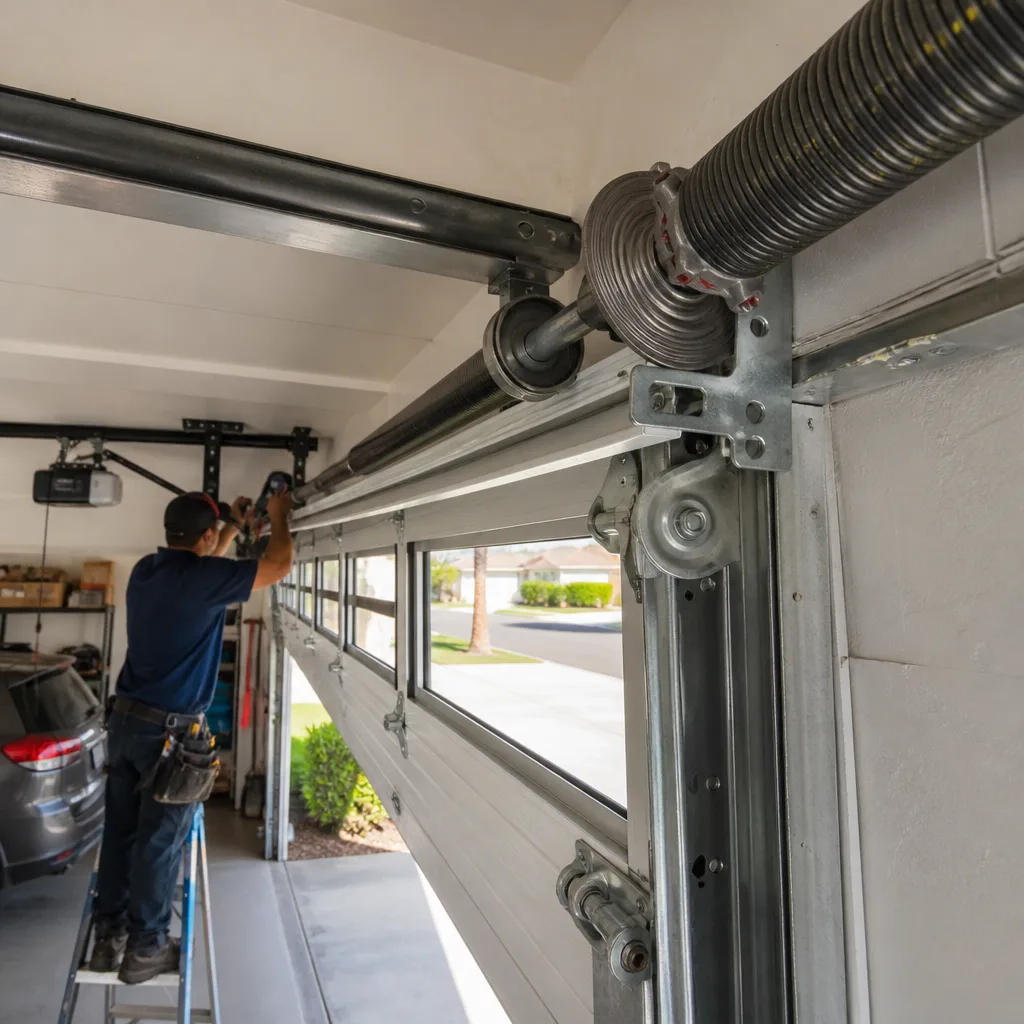 After