
Last updated November 3, 2026
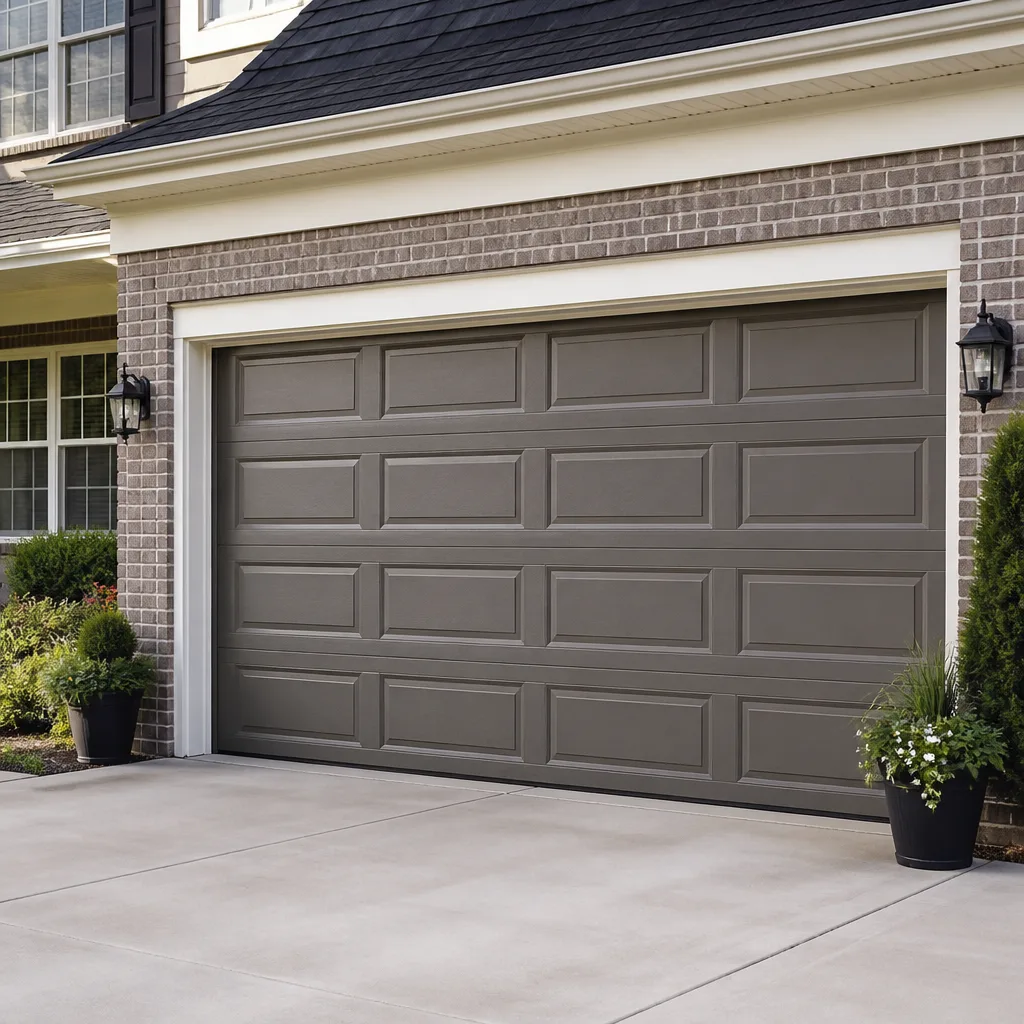 Raised-panel steel
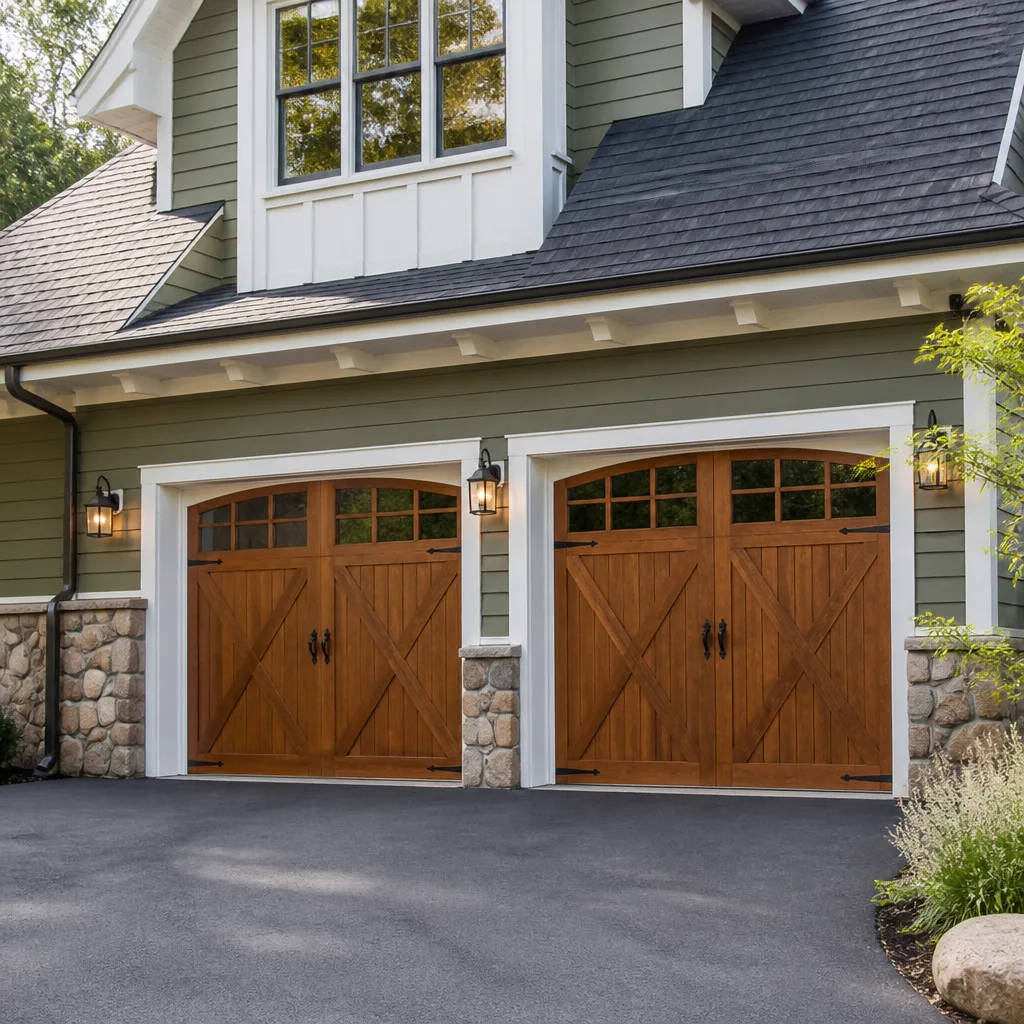 Carriage house
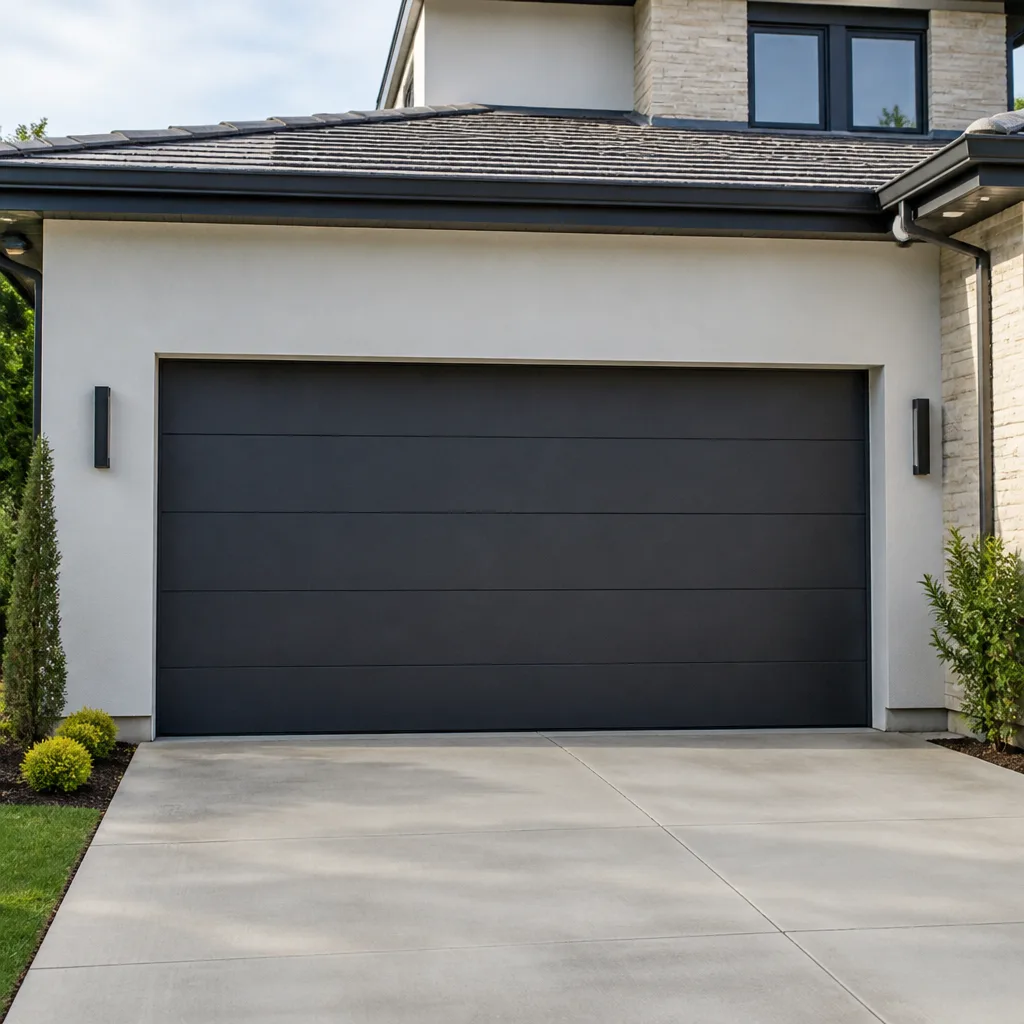 Modern flush
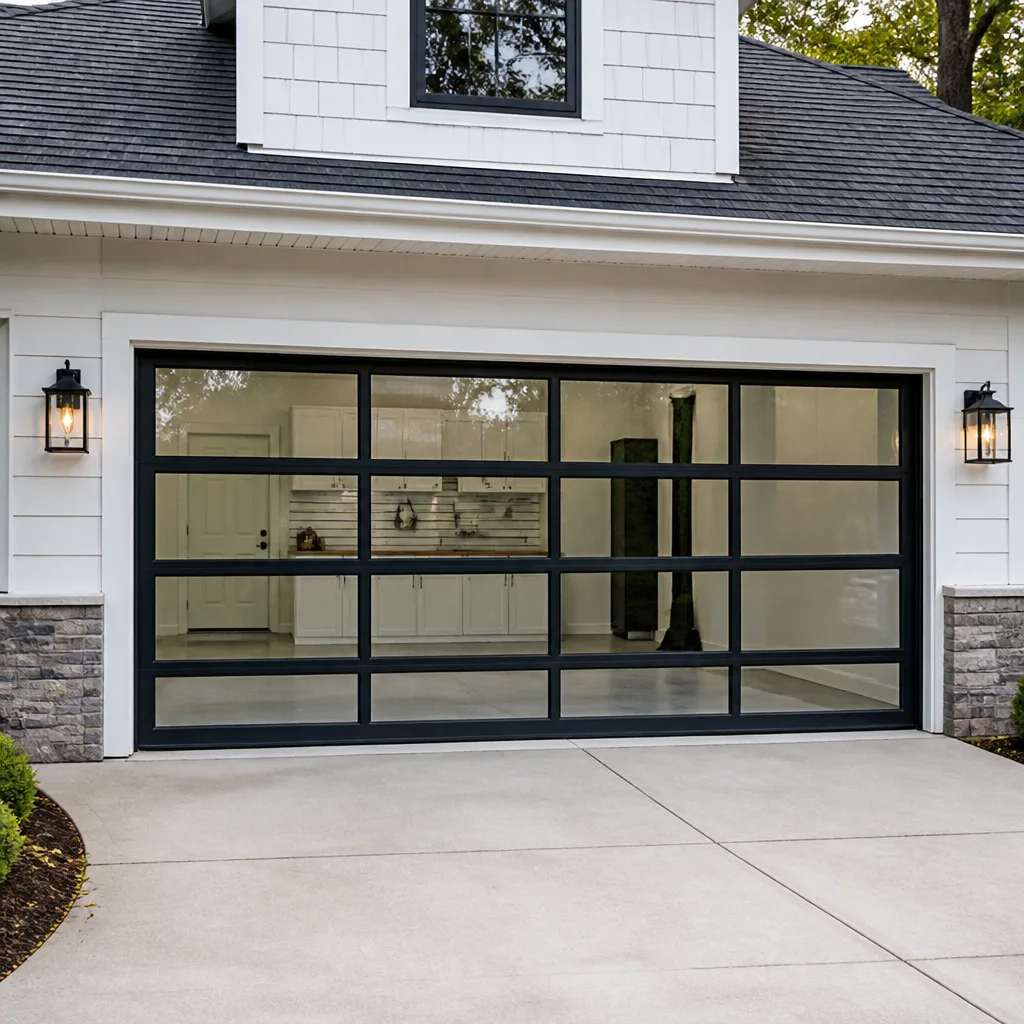 Full-view glass
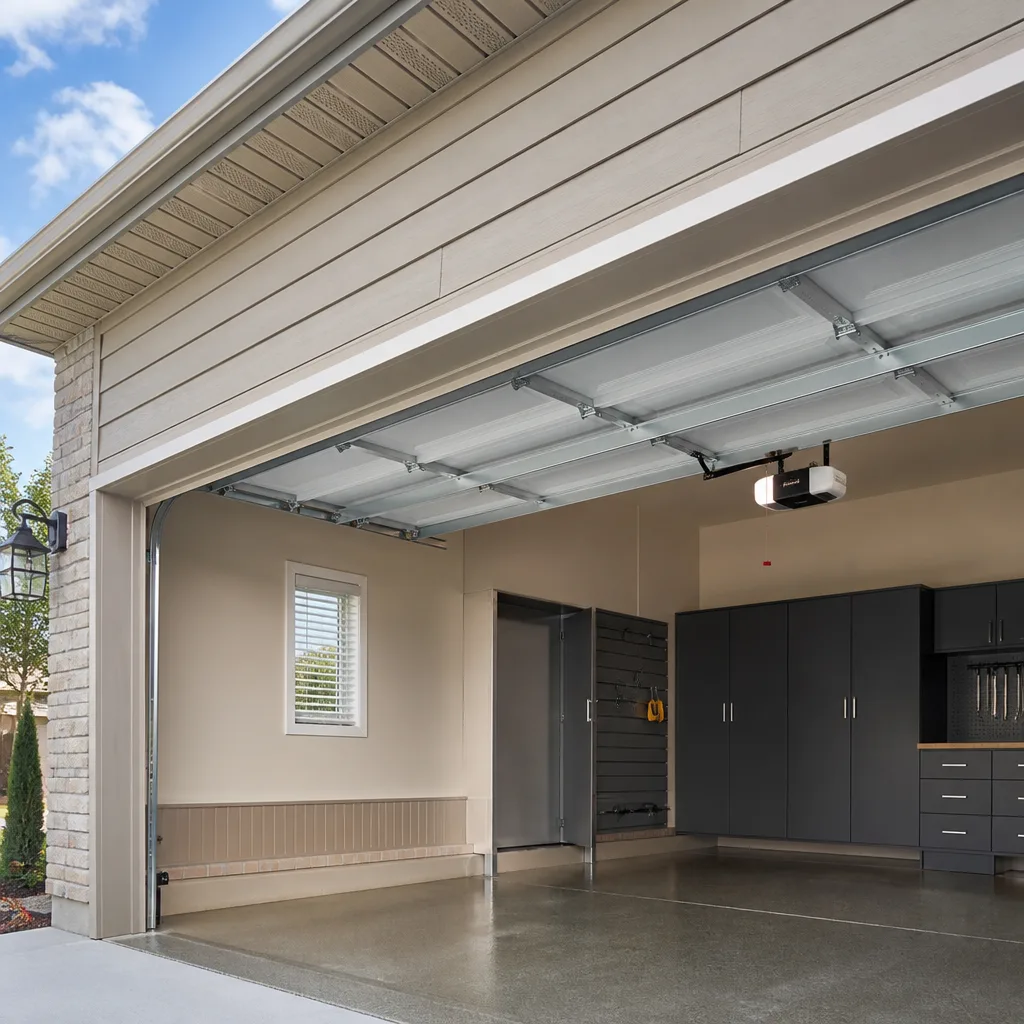 LiftMaster openers
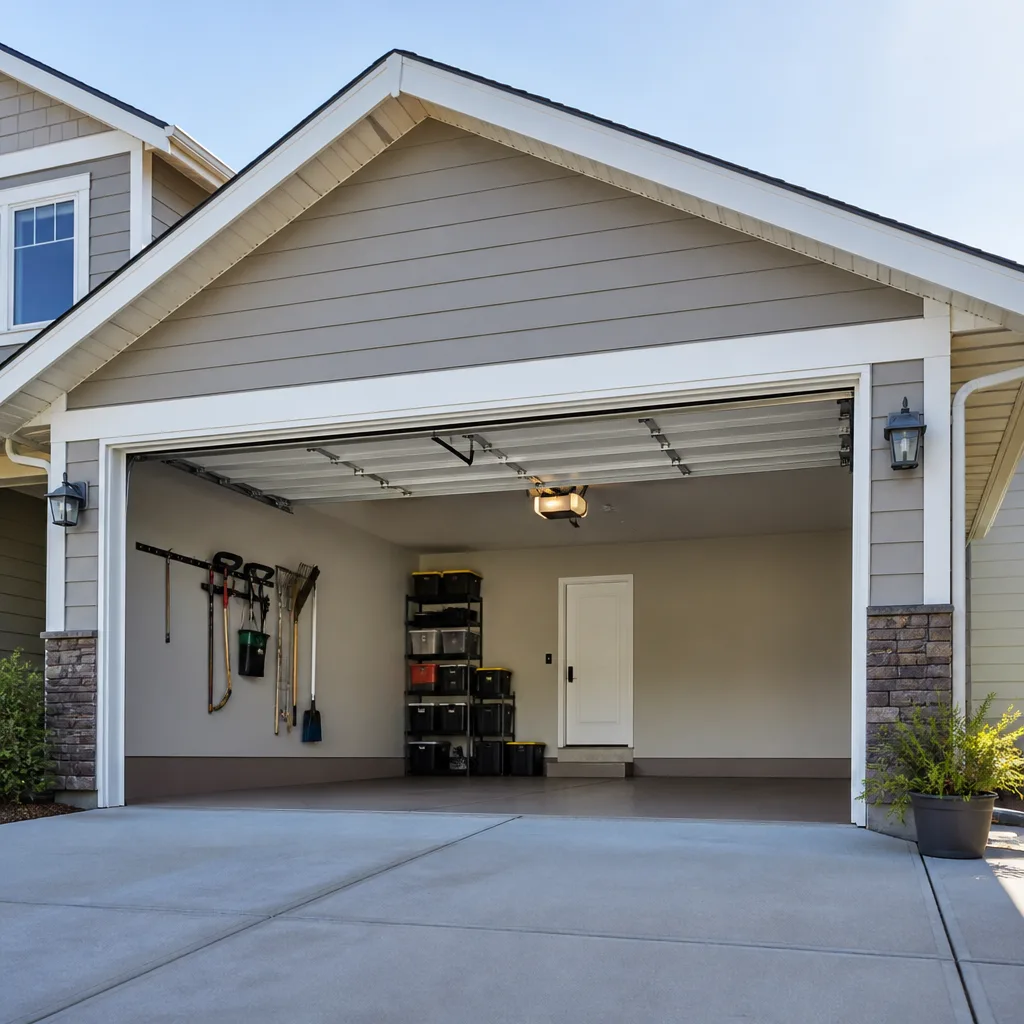 Chamberlain openers
Full 25-point door and opener safety check with every visit - springs, cables, rollers, tracks, and your LiftMaster or Chamberlain opener included
You get a price before we start. It does not change when the truck arrives.
Get your free estimateChoosing the Right Garage Door Brand: A Buyer’s Guide for Cathedral City
Garage doors in Cathedral City live a harder life than they do almost anywhere else in the country. A door that performs beautifully in San Diego or Los Angeles can warp, fade, and strain its opener within three summers of Coachella Valley heat. Here’s the counterintuitive part: the brand often matters less than the specific product line within that brand. Most manufacturers build budget doors and premium doors on the same assembly line, and only one of those tiers is engineered for sustained 110°F exposure. This guide will show you how to tell the difference, which brands hold up best in Cathedral City’s climate, and why your opener choice matters as much as the door itself. By the end, you’ll know exactly what questions to ask before spending a dollar.
Styles & brands we work with
- Raised-panel steel
- Carriage house
- Modern flush
- Full-view glass
- LiftMaster openers
- Chamberlain openers
Quick Answer
The best garage door brand for Cathedral City depends on what you’re buying. For full door systems, Amarr and Clopay offer the strongest combination of insulation ratings, panel gauge, and UV-stable finishes for desert conditions. For openers, belt-drive models from LiftMaster and Chamberlain handle thermal stress more reliably than chain or screw drives. The real answer is that a multi-brand specialist who services all eight major brands can match the right product line to your specific garage, exposure, and budget instead of pushing one manufacturer’s catalog.
Table of Contents
- Why Climate Changes the Brand Math in Cathedral City
- Steel Panel Door Brands That Hold Up in the Coachella Valley
- Opener Brands and Motor Designs for Desert Heat
- R-Value Explained for Cathedral City Garages: When It Pays and When It Doesn’t
- Why Multi-Brand Service Shops Give You Better Brand Advice
- Warranty Reality: What Manufacturers Actually Cover in a Desert Climate
- How to Evaluate Any Brand for Your Cathedral City Garage: A 5-Step Framework
- Common Mistakes to Avoid
- When to Call a Professional
- Frequently Asked Questions
- The Bottom Line
Why Climate Changes the Brand Math in Cathedral City
National consumer reviews don’t tell you much about how a garage door performs in Cathedral City. A brand with thousands of five-star ratings from Ohio and Michigan homeowners might use paint finishes that chalk and fade after two summers here. That’s not a manufacturing defect. It’s a climate mismatch.
Here’s what actually happens to garage door components in sustained desert heat. Steel panels expand. When a 16-foot door is exposed to direct afternoon sun, the metal can heat to 150°F or more, causing expansion that stresses hinges, rollers, and the panel seams you don’t usually look at. Insulation cores made of lower-grade polystyrene can off-gas and break down. Paint and powder-coat finishes that look great in showrooms start showing UV damage within 18 to 24 months. Torsion springs lose tension faster when they cycle through extreme temperature swings. And openers, which we’ll get into, have their own set of thermal stress issues.
This is why the “best garage door brand” question, as it’s usually asked, is incomplete. The better question is: which brands build product lines specifically for high-heat, high-UV environments? Because some do, and some don’t, and the difference shows up in your door’s year-four appearance and year-seven hardware condition.
In Cathedral City, we see this pattern consistently across service calls. Doors facing south or west simply degrade faster. A homeowner in Panorama Park with a south-facing garage has different needs than one in Rio Vista with a shaded north exposure. That’s the kind of local context a brand name alone can’t answer.
Steel Panel Door Brands That Hold Up in the Coachella Valley
When it comes to full door systems in Cathedral City, two brands stand out for how their mid-tier and premium lines are built: Amarr and Clopay. Both manufacture insulated steel doors with UV-stable finishes and adequate panel gauge for desert expansion cycles. But within each brand, the product line matters enormously.
Amarr builds their Lincoln and Heritage series with 24-gauge or heavier steel on the exterior panel, which resists the oil-canning and flexing you see on thinner doors under high heat. Their three-layer construction, meaning steel exterior, insulation core, and steel or vinyl backer, holds its shape better in Cathedral City’s temperature swings. The Heritage line specifically uses a polyurethane core rather than polystyrene, and polyurethane resists the breakdown we see in cheaper foam cores after years of heat exposure.
Clopay offers their Gallery and Reserve collections with copper-infused steel and a finish warranty that holds up under UV stress better than many competitors. Clopay’s Ultra-Grain and wood-look finishes matter in Cathedral City because so many homes here carry a Mediterranean or Spanish architectural style. A painted steel door that’s been sunscreen-protected in the powder coat will keep its color longer than an entry-level door with a basic paint finish. That’s not a brand gimmick. It’s material science.
What about the other brand names you’ll see? Wayne Dalton makes a solid door, especially their 9100 series, but their steel gauge on economy lines runs thinner, which translates to more visible wave in panels that catch afternoon sun. Raynor builds excellent commercial-grade doors, and their residential lines are dependable, though they have fewer decorative options for the architectural styles common around Cathedral City. We work on all of them. That’s the point. The brand decision should follow the specific door model and your exposure, not a logo on a brochure.
One more thing worth saying plainly. You can buy a premium brand’s budget line and get a worse door for Cathedral City than if you bought a mid-range brand’s insulated line, as we explore in our DIY vs Professional Garage Door: The Cathedral City Homeowner’s Decision Guide. The door’s construction tier matters more than the name stamped on the track.
Opener Brands and Motor Designs for Desert Heat
Your garage door opener is an electric motor bolted to your ceiling, which means it’s already sitting in the hottest air in your house. In Cathedral City, garage interiors routinely exceed 120°F during summer afternoons, and that heat does two things to openers: it degrades circuit boards faster and it stresses motor windings that already run warm. The drive type you choose, meaning how the opener moves the door, determines how well it handles that stress.
Belt-drive openers handle Cathedral City heat best. The belt is made of reinforced rubber or polyurethane, which absorbs the small shocks and vibrations that metal drive systems transmit. More importantly, belt drives run cooler and quieter, and the belt itself doesn’t expand or contract meaningfully as garage temperatures swing from 50°F winter mornings to 130°F summer peaks. LiftMaster and Chamberlain both build belt-drive openers that we’ve seen perform well for years in Coachella Valley garages. Their DC motors run on less power and generate less heat than older AC motor designs, which extends the life of the internal electronics.
Chain-drive openers are workhorses, but noisier and rougher on the door. In a cooler climate, a chain drive from Genie or Chamberlain is a perfectly reasonable choice, and they often cost less. In Cathedral City, though, the metal-on-metal contact in a chain system combined with the constant expansion and contraction of a steel door can accelerate wear on hinges and rollers. We see more cracked hinge plates on doors running chain drives than on comparable doors running belts.
Screw-drive openers are the one we’d avoid in Cathedral City. The screw mechanism is a long threaded rod, and metal components expanding in heat change the clearance tolerances. The result is often a binding feel, more strain on the motor, and a shorter service life. Some older Literature from Genie still recommends screw drives for warm climates because they thought fewer moving parts meant fewer heat failures, but field experience across hundreds of Cathedral City service calls points the other way. Thermal expansion is the problem, and a metal screw is exactly the wrong component for it.
The brand hierarchy for openers in this market is straightforward. LiftMaster and Chamberlain lead for belt-drive reliability. Genie is a legitimate option, particularly their Excelerator line, though we’d steer you away from their screw-drive models for Cathedral City. Craftsman openers are built by Chamberlain, so they share many internal components, but the Craftsman line has fewer current product updates, which matters for circuit board longevity in the heat. Your opener’s drive type is the first decision. The brand is the second.
R-Value Explained for Cathedral City Garages: When It Pays and When It Doesn’t
Insulation ratings are the most misleading number in the garage door industry. A door with an R-12 rating doesn’t perform twice as well as an R-6 door in the real world. In Cathedral City, though, insulation still matters, just not for the reason most homeowners think.
The R-value measures a material’s resistance to heat flow. Higher numbers mean slower heat transfer. Here’s the Cathedral City nuance: your garage door is the single largest uninsulated thermal break in your home’s envelope, and when it faces west, that door panel absorbs direct afternoon sun as an exterior surface. An insulated door doesn’t just keep heat out. It also prevents the door itself from becoming a radiant heater pointed at everything in your garage.
Here’s a quick breakdown of what insulation tiers actually deliver here:
- Non-insulated (R-0 to R-2): A single steel or aluminum layer. Fine for detached garages, carports, or a garage you never enter except to park. In Cathedral City, a non-insulated door facing west will make your garage 15 to 20 degrees hotter than outside air, and it will transfer that heat into any shared wall with your living space.
- Polystyrene-insulated (R-4 to R-6): Two layers with an insulation board sandwiched between. This is the baseline we’d recommend for most Cathedral City attached garages. It keeps the door panel itself from radiating severe heat, and it adds structural rigidity that helps the door resist wind load in desert gusts.
- Polyurethane-insulated (R-9 to R-18): Three layers with injected foam that fills every cavity. This pays off if your garage shares a wall or ceiling with air-conditioned living space, if you use the garage as a workshop or gym, or if the door faces south or west. The higher R-value also makes the door heavier and more resistant to flexing, which extends hinge and roller life.
The marketing-overkill zone starts above R-12 for most Cathedral City garages. A steel door with R-16 insulation costs meaningfully more, and unless your garage is actively climate-controlled or directly attached to a bedroom, you won’t recover that premium in energy savings. The insulation matters. The extreme insulation tiers are usually unnecessary.
We tell homeowners this all the time: before upgrading insulation, check the weatherstripping around your existing door. A well-sealed R-6 door beats a drafty R-12 door every single day in Cathedral City, and weatherstripping costs a fraction of a new door.
Why Multi-Brand Service Shops Give You Better Brand Advice
There’s a structural reason most garage door companies recommend a single brand, and it has nothing to do with product quality. Dealers sign agreements with manufacturers that come with volume incentives, co-op marketing dollars, and sometimes exclusivity requirements. When a company only installs one brand, their advice is always filtered through that relationship. They’re not lying to you. They’re just not seeing the whole market.
A multi-brand shop has a different incentive structure. We’re trained and experienced across eight major brands: LiftMaster, Chamberlain, Genie, Clopay, Amarr, Wayne Dalton, Craftsman, and Raynor. We service all of them. We repair all of them. And when a homeowner needs a new door, we quote whichever combination of door and opener makes sense for their specific garage, exposure, and budget. There’s no manufacturer relationship pushing us toward one catalog.
This matters most when it comes to repair versus replacement decisions. If you call a Clopay-only dealer because your Clopay door has a cracked panel, their answer is predictable: replace the door. A multi-brand shop can tell you whether that panel is available, whether a repair is realistic, or whether it’s time to step up to a better line within the same brand or a competitor’s product that suits Cathedral City conditions better.
We know Amarr. We know Wayne Dalton. We know the ins and outs of a Craftsman opener and a Raynor torsion assembly. When a homeowner name-drops a brand, we know exactly what they’re working with. That’s not a marketing line. It’s the result of doing 100% garage door work, every day, in this city, across every major manufacturer’s equipment.
Warranty Reality: What Manufacturers Actually Cover in a Desert Climate
Garage door warranties are written by lawyers in climate-controlled offices, and the fine print matters more in Cathedral City than it does in most places. Here’s what we’ve learned from years of helping homeowners navigate warranty claims.
Most manufacturers split the warranty into sections. The steel panel gets one term, typically 10 years to lifetime, covering rust-through and delamination. The paint or finish gets a separate, shorter warranty, usually 1 to 5 years, covering fading and chalking. The hardware, springs, hinges, rollers, and cables gets the shortest term, often 1 to 3 years. And the opener’s warranty covers the motor, gear, and circuit board separately, with electronics receiving the shortest coverage.
In Cathedral City, the warranty sections that actually matter are the finish warranty and the spring warranty. Heat and UV accelerate paint chalking, and a finish warranty that protects against “excessive fading” may or may not cover what we see on south-facing doors after three years. Some manufacturers, notably Amarr and Clopay on their premium lines, back their finishes with longer terms and honor claims when UV damage is the cause. Others treat Coachella Valley sun exposure as “normal wear” and deny the claim. The brand makes a difference here, but so does reading the specific finish warranty on the product line you’re buying, not the headline number on the marketing sheet.
Spring warranties matter because heat cycling shortens spring life in Cathedral City. A standard torsion spring is rated for roughly 10,000 cycles, which translates to 7 to 9 years of average use. But extreme temperature swings can reduce that. When a spring breaks at year five, a manufacturer whose spring coverage is one year will not help you. Extended-life springs, rated for 25,000 to 50,000 cycles, are a worthwhile upgrade for Cathedral City doors, and some brands offer them as standard on premium lines.
The practical takeaway: before you buy, read the finish warranty and the spring warranty specifically. Those are the two components most likely to fail in this climate, and they’re the ones where manufacturers vary most in what they’ll actually cover.
How to Evaluate Any Brand for Your Cathedral City Garage: A 5-Step Framework
Here’s the practical method we use, and you can use it too, to cut through brand marketing and find the door that will actually last in Cathedral City.
- Check the steel gauge. Look for 24-gauge or lower (lower number means thicker steel) on the exterior panel. In Cathedral City, 25-gauge steel can be acceptable on shaded north-facing doors, but anything thinner will oil-can and wave under desert sun. This spec is on every manufacturer’s product page.
- Confirm the insulation core type. Polyurethane beats polystyrene in this climate. Polyurethane bonds to both steel layers, adds structural strength, and doesn’t break down under repeated heat exposure. Polystyrene is fine for detached garages, but it’s the minimum for attached ones.
- Read the finish warranty specifically. Find the line about fading and chalking, not the rust-through coverage. If the finish warranty is under 3 years and your door faces south or west in Cathedral City, expect visible color change before the warranty expires.
- Compare spring cycle ratings. Look for torsion springs rated at 25,000 cycles or more. A door that saves you $200 by using 10,000-cycle springs will cost you a spring replacement, and probably a service call, within five to seven years in this climate.
- Ask: does the installer service what they sell? A dealer who installs a brand but can’t troubleshoot it three years later is selling you a product, not a system. The best brand recommendation comes from a shop that repairs every major manufacturer’s equipment weekly and can tell you which ones generate repeat service calls in Cathedral City.
That last step matters more than most people realize. We see the long-term performance data that homeowners don’t. When we recommend a brand for a Cathedral City garage, it’s based on doors we’ve installed and doors we’ve repaired, across years of desert seasons.
Common Mistakes to Avoid
- Buying based on national reviews. A door with great reviews from Florida or Michigan homeowners wasn’t tested by Coachella Valley sun, and the failure modes here are different. Look for Cathedral City-specific experience or ask your installer what they’ve seen on similar homes.
- Prioritizing door brand while ignoring the opener. Your door and opener are one system. A premium Clopay door on a bargain chain-drive opener will still develop hinge and roller issues from the drive system’s vibration and thermal behavior.
- Choosing non-insulated steel for an attached garage. The upfront savings disappear in higher air conditioning load and a garage that radiates heat into your living space. In Cathedral City, an R-4 polystyrene door should be the floor for attached garages, not an upgrade.
- Overpaying for extreme insulation values. An R-16 door on a detached garage with no climate control is money that won’t come back. Match the insulation tier to how you actually use the garage.
- Ignoring the finish warranty’s fading clause. The 10-year steel warranty sounds impressive, but the paint on your door won’t rust. It will fade. And the fading coverage is the number that matters for Cathedral City curb appeal.
- Skipping professional installation to save a few hundred dollars. A garage door has torsion springs under thousands of pounds of tension, and the track alignment has to be precise or the door will eat rollers and strain the opener. This is not a DIY project, especially in a climate that’s already hard on the hardware.
- Working with a brand-dealer instead of a multi-brand shop. If the company only sells one brand, their recommendation can’t consider what’s actually best for your garage. You’re not choosing a door. You’re choosing their inventory.
When to Call a Professional
Some situations call for expertise, not research. If your current garage door is making grinding noises, moving unevenly, or struggling to open in the morning heat, those are symptoms of a system under stress, and continuing to use it can turn a repair into a replacement. If you’ve decided on a new door, professional installation isn’t optional. Torsion springs contain enough stored energy to cause serious injury or death if mishandled, and proper track alignment is essential for the door to function safely. If you’re comparing brands and want a straight answer based on cathedral city field experience, not a sales pitch, that’s exactly when a multi-brand shop helps, as outlined in The Complete Garage Door Repair Guide for Cathedral City Homeowners. Reliance Garage Door Service offers free estimates in Cathedral City. Call (833) 593-4550 and tell us what you’re working with. We’ll tell you what we’d do.
Frequently Asked Questions
Amarr and Clopay build the most consistent product lines for Cathedral City heat, but only in their insulated, mid-tier and premium steel collections. The specific product line matters more than the brand name, and a door with a UV-stable finish, polyurethane core, and 24-gauge steel will outperform a budget door from the same manufacturer. Call (833) 593-4550 for a recommendation matched to your garage’s exposure.
Belt-drive openers handle Cathedral City’s heat better than chain-drive openers. The reinforced belt doesn’t expand or contract like metal chain components, which reduces stress on the door’s hinges and rollers through thermal cycles. Belt drives from LiftMaster and Chamberlain are the most reliable designs we service in this climate.
For an attached garage, yes, and R-4 to R-6 polystyrene insulation is the practical minimum. For a detached garage you rarely use, non-insulated is acceptable. Higher R-values above R-12 only pay off when the garage shares a wall with air-conditioned living space or is actively used as a workspace.
Standard torsion springs rated for 10,000 cycles typically last 5 to 7 years in Cathedral City because heat cycling accelerates metal fatigue. Extended-life springs rated for 25,000 to 50,000 cycles are a worthwhile upgrade and standard on some premium door lines.
Yes, especially on south-facing and west-facing doors. UV exposure in the Coachella Valley accelerates paint chalking, and entry-level paint finishes can show visible fading within 18 to 24 months. Premium doors with powder-coat finishes and copper-infused steel hold their color considerably longer.
We work on what you already own. Our technicians are trained and experienced across LiftMaster, Chamberlain, Genie, Clopay, Amarr, Wayne Dalton, Craftsman, and Raynor, which means we repair all of them and install whichever combination fits your garage. Learn more on our Garage Door Repair in Cathedral City page or call (833) 593-4550.
The Bottom Line
The best garage door brand for Cathedral City is the one whose product line matches your garage’s specific conditions. South-facing door? You need UV-stable finish and thicker steel. Attached to the house? In insulate, R-4 minimum. Running an opener in 130-degree garage air? Belt drive is the answer. And the most reliable way to get that match is to work with a shop that services all eight major brands and has seen what works and fails across years of Coachella Valley summers. If you’re starting from scratch or wrestling with a door that’s past its prime, we’re the team you call. Reliance Garage Door Service home is your starting point. For repair, see Garage Door Repair in Cathedral City. For opener-specific issues, visit Garage Door Opener Repair in Cathedral City. For a new door or full system, check out Garage Door Installation in Cathedral City. One call to (833) 593-4550 gets you a straight answer and a free estimate. Reliance means exactly that.
Written by the team at Reliance Garage Door Service, serving Cathedral City since 2016. Explore more guides & resources on our blog.
See the difference
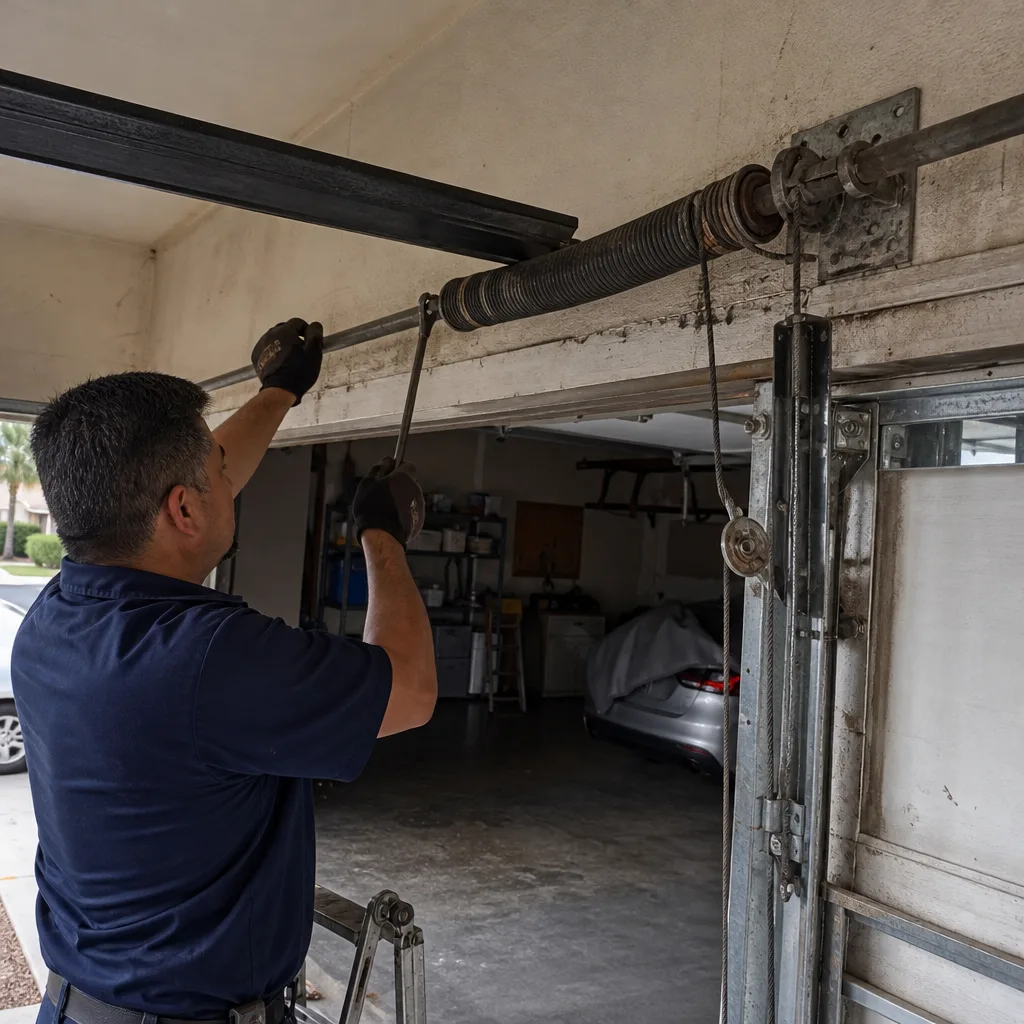 Before
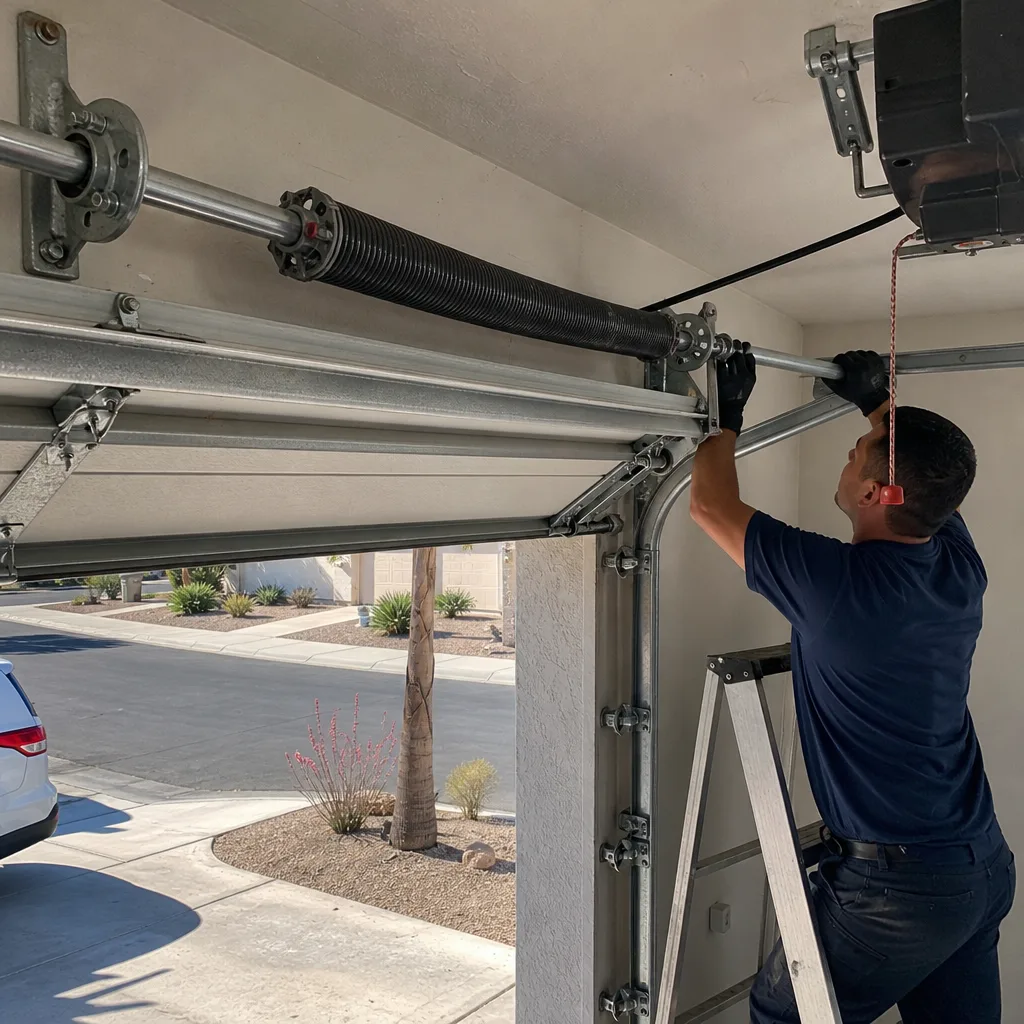 After
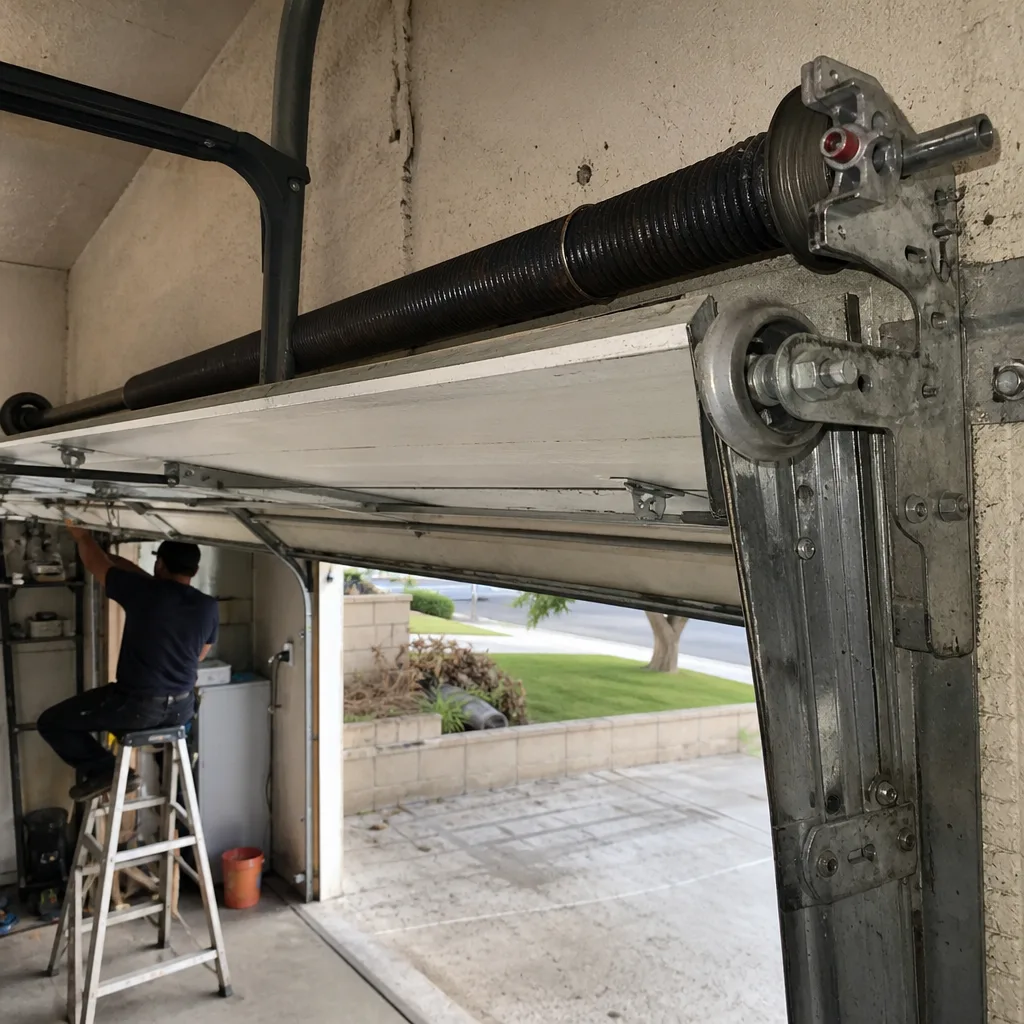 Before
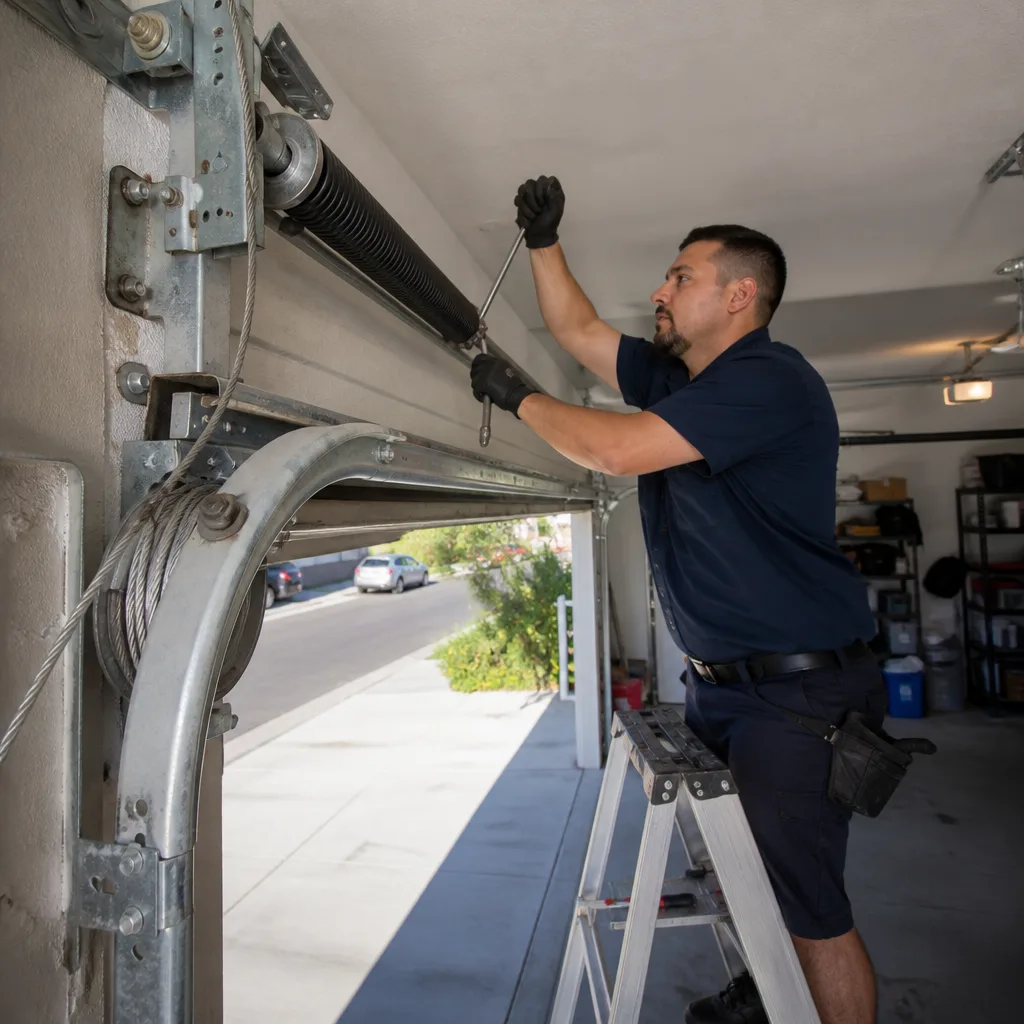 After
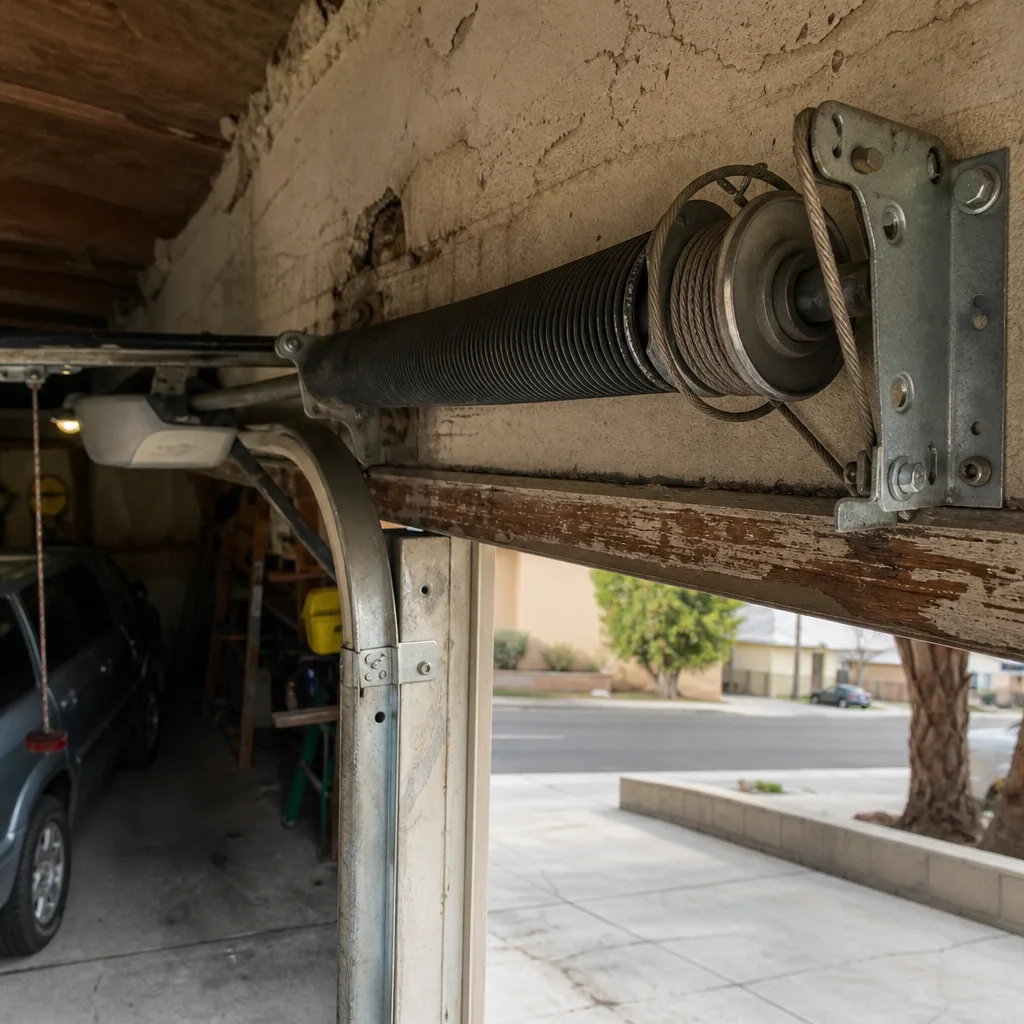 Before
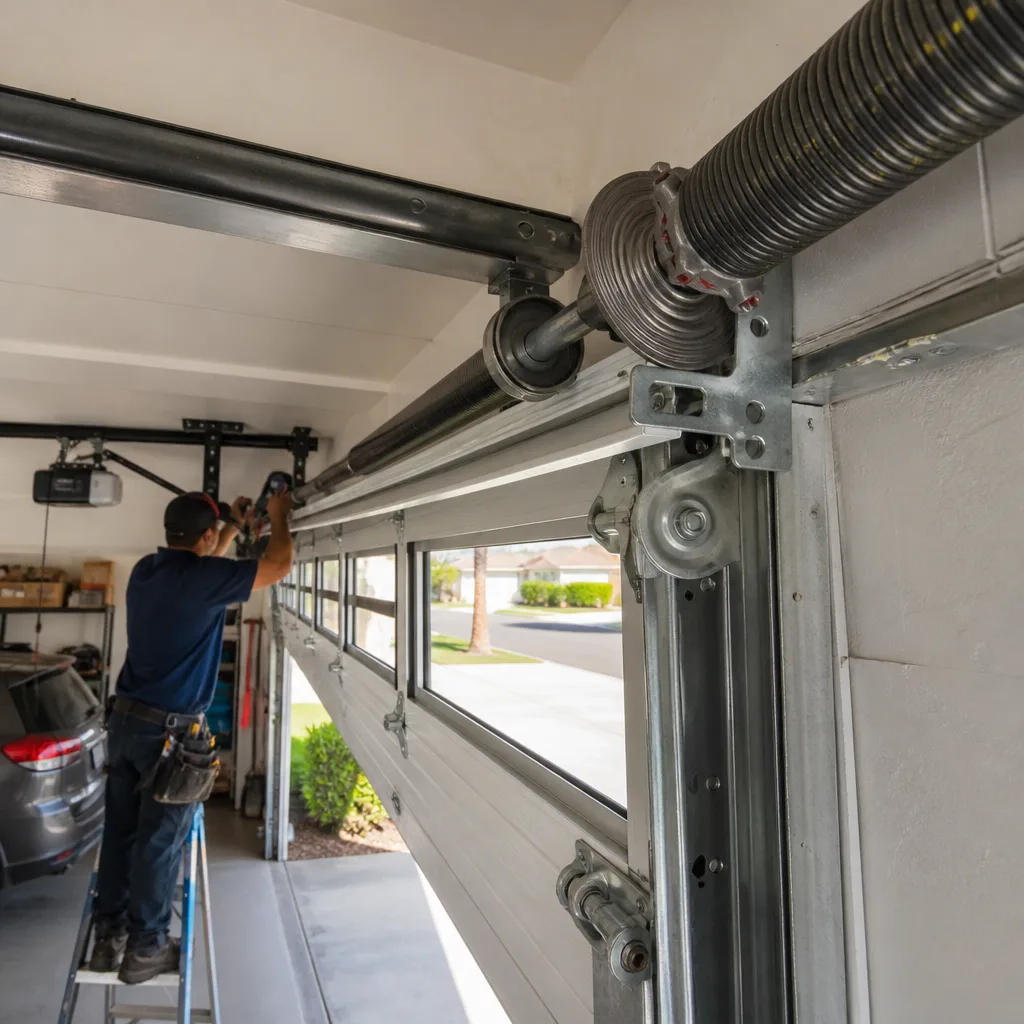 After