
Last updated November 2, 2026
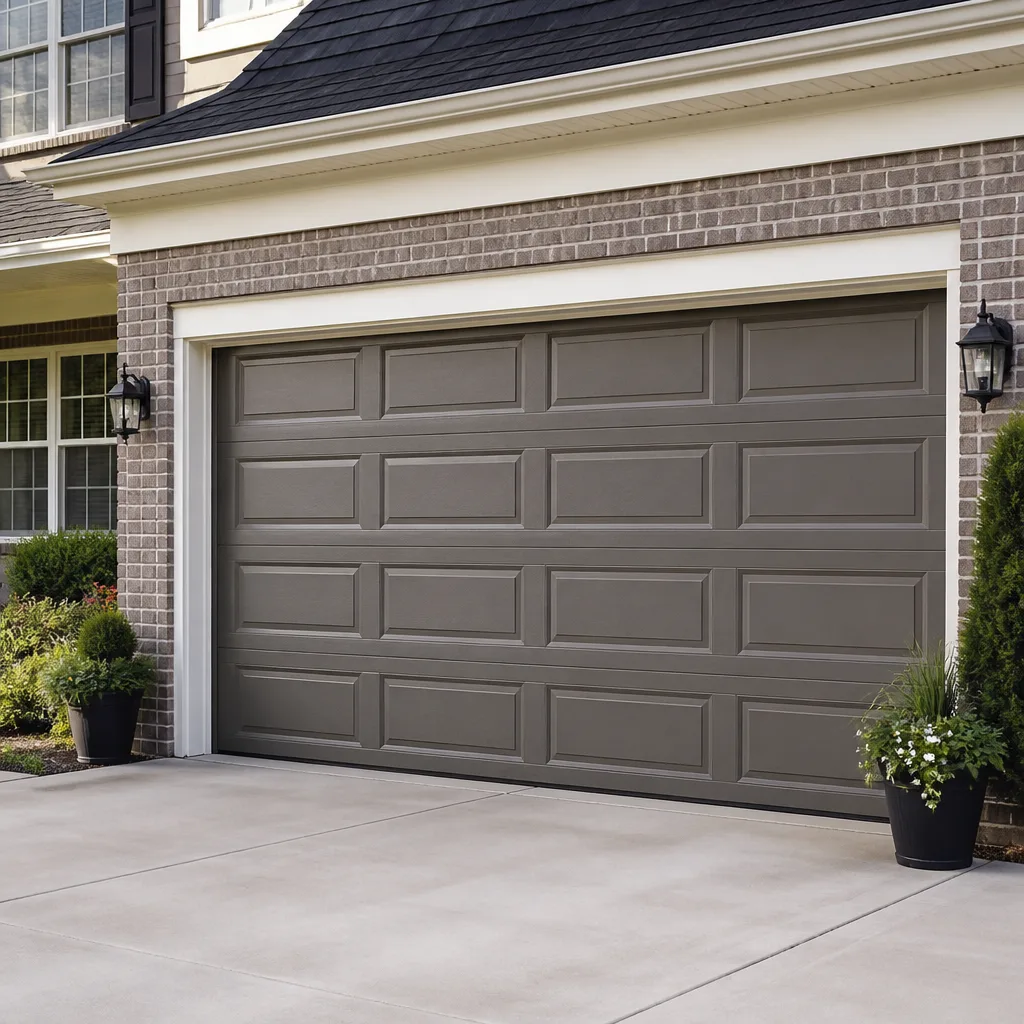 Raised-panel steel
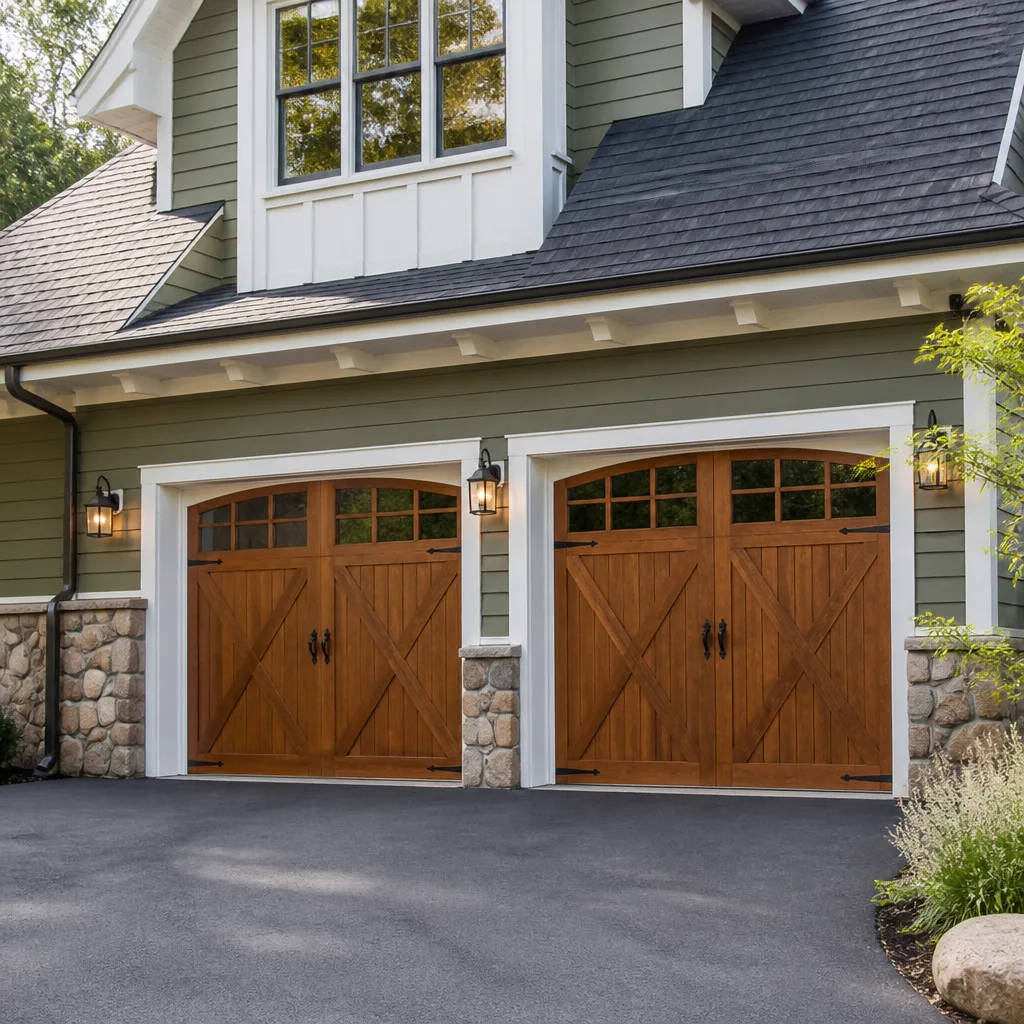 Carriage house
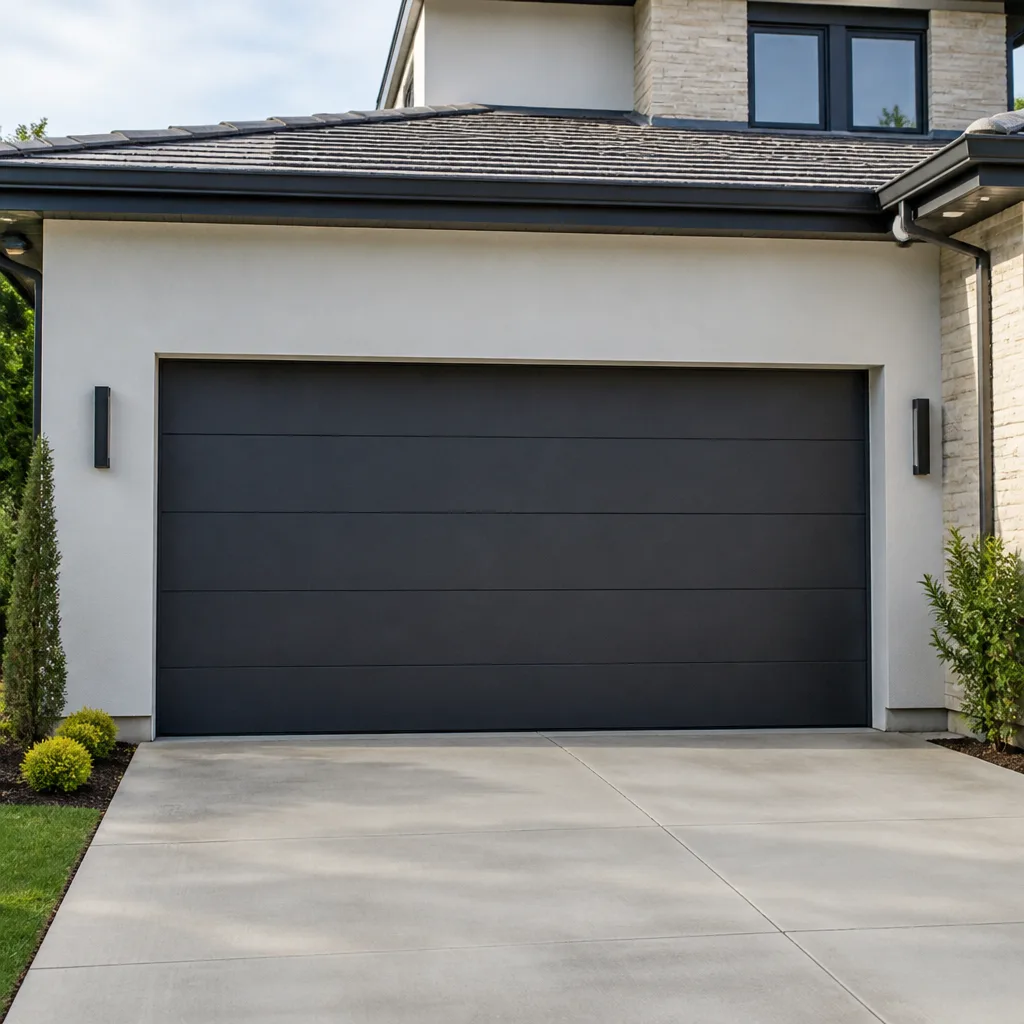 Modern flush
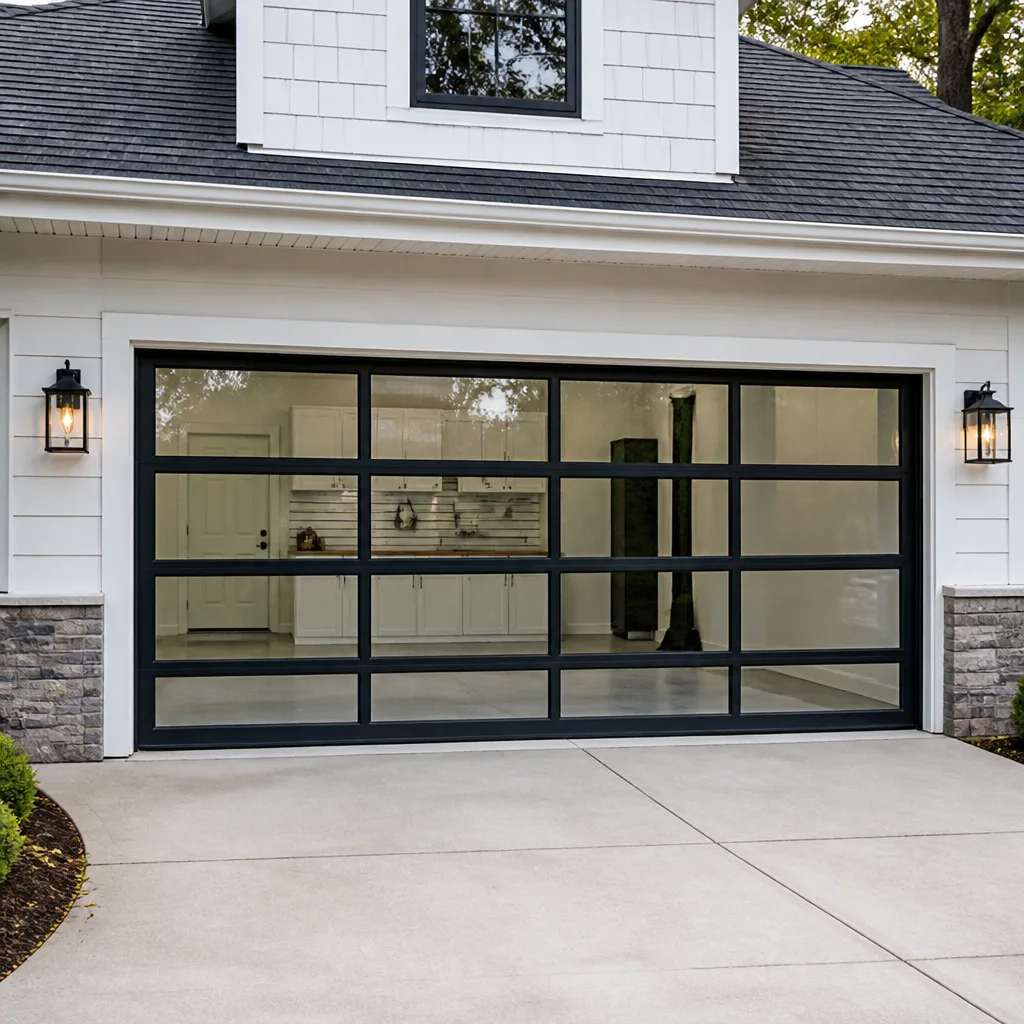 Full-view glass
 LiftMaster openers
 Chamberlain openers
Full 25-point door and opener safety check with every visit - springs, cables, rollers, tracks, and your LiftMaster or Chamberlain opener included
You get a price before we start. It does not change when the truck arrives.
Get your free estimateGarage Door Permits, Codes & Inspections in CA: What You Need to Know
You can replace your garage door panels, your springs, and your opener without a permit in California. Most homeowners in Cathedral City do exactly that every year, and it’s perfectly legal. But add a new door to a converted garage space, or change your door’s fire-rating status, and you’re suddenly in different legal territory. Most contractors won’t flag it, and that silence can cost you thousands during a resale. This guide draws the line between what needs a permit, what doesn’t, and where Cathedral City adds its own layer on top of state code. For related reading, see our Garage Door Repair Troubleshooting: Common Problems and How to Fix Them. If you own a home with a garage in the Coachella Valley, the next ten minutes will save you a headache you didn’t know was brewing.
Styles & brands we work with
- Raised-panel steel
- Carriage house
- Modern flush
- Full-view glass
- LiftMaster openers
- Chamberlain openers
Quick Answer
In California, you do not need a permit to replace a garage door with a similar door, replace springs, cables, or an opener. You do need a permit when you enlarge the opening, convert a garage to living space, or install a door that changes the fire-rating between the garage and the house. In Cathedral City, building permits go through the city’s Building & Safety Division, and the most common trigger we see is garage conversions done years ago that surface during a sale.
Table of Contents
- What the California Building Code Actually Says
- Cathedral City’s Local Permit Layer
- Fire-Rated Door Requirements: The Rule That Catches Remodels
- Unpermitted Garage Work and the Home Sale Problem
- HOA Overlay: When CC&Rs Tighten the Rules
- What Permits and Inspections Cost in Cathedral City
- A Homeowner’s Pre-Project Checklist
- Common Mistakes to Avoid
- When to Call a Professional
- Frequently Asked Questions
- The Bottom Line
What the California Building Code Actually Says
The California Building Code (CBC) governs garage door work across the state, and its logic is simpler than most people expect. The code cares about one thing above all: whether the work changes the structure or the fire separation between your garage and your living space. If it doesn’t, no permit. If it does, permit required.
Replacing an existing garage door with a door of the same dimensions and the same fire rating is classified as a repair, not an alteration. The California Residential Code (CRC), which is part of the CBC, specifically exempts ordinary repairs from permit requirements. The operative phrase is “ordinary repairs.” If the work involves cutting new framing, enlarging the opening, adding or removing windows in a way that changes the wall assembly, or changing the fire-rating classification of the door itself, the exemption disappears.
Here’s the practical breakdown for Cathedral City homeowners:
- No permit needed: Replacing a garage door with a similar door (same size, same fire rating), replacing springs, cables, rollers, tracks, or hinges, replacing a garage door opener, adding a smart opener accessory, and replacing weatherstripping or panels on an existing door.
- Permit needed: Widening or heightening the garage door opening, cutting a new door opening where none existed, converting a garage to living space (which requires removing or sealing the door and meeting different wall, ceiling, and egress standards), and changing a door from fire-rated to non-fire-rated, or vice versa.
- Gray area worth a phone call: Replacing a non-insulated door with an insulated one when the garage is attached to the house. The insulation changes the thermal envelope but not the fire separation, so it generally doesn’t trigger a permit, but the city can confirm in two minutes.
The distinction matters because California’s energy code, Title 24, also intersects here. Insulated doors with specific U-factor ratings can be part of a home’s compliance package, especially if the garage is conditioned space. For an unconditioned garage in Cathedral City’s desert climate, the energy compliance impact is minimal, but a building inspector may still ask during a broader remodel.
In our experience, the most frequent surprise isn’t the door itself. It’s the framing. The moment a contractor says “we’ll need to reframe that opening,” you’re in permit territory, whether the contractor brings it up or not.
Cathedral City’s Local Permit Layer
State code sets the floor. Cathedral City sets the specifics. The city operates under the California Building Standards Code with local amendments, and the place to verify any garage door question is the Cathedral City Building & Safety Division, located at City Hall on Avenida Lalo Guerrero. A phone call to their office takes five minutes and gives you a definitive answer for your exact address.
What makes Cathedral City slightly different from neighboring Coachella Valley cities:
- Desert climate amendments: The city enforces wind and heat provisions that affect wider door openings. A double-wide door on a home in Cathedral City’s Panorama neighborhood faces different wind-load considerations than a single-car door in a protected courtyard. If your door opening is being altered, the city will want to see the wind-load calculations.
- Flood zone overlap: Some Cathedral City neighborhoods east of Date Palm Drive sit close to the Whitewater River wash zones. Door work in those areas may include floodplain review even if the garage itself isn’t in a designated flood zone.
- Plan check trigger: Cathedral City requires a plan check for structural alterations, which means a drawing showing the door opening, header, and attachment details. A replacement door with no structural change skips this entirely.
- Inspection requirement: When a permit is issued for door work, the city schedules a final inspection after installation. The inspector checks the door’s fire rating, the framing, the hardware, and the operation. Fail the inspection, and the project isn’t closed.
The homeowner’s responsibility is the same whether you hire a contractor or do the work yourself: confirm with the city. No contractor’s word substitutes for a phone call to Building & Safety. We tell Cathedral City clients to ask one question when they call: “Does my address’s garage fall under any local overlay, HOA, or specific amendment that affects door replacement?” It’s a faster conversation than you might expect, and the answer is usually simple.
Fire-Rated Door Requirements: The Rule That Catches Remodels
Here’s the rule most homeowners never hear about until it’s too late: any garage door on a garage attached to the living space must be fire-rated. For help spotting issues early, read our Garage Door Warning Signs: A Cathedral City Homeowner’s Reference Guide. Not all garage doors meet that standard, and swapping in a non-rated door during a remodel is exactly the kind of change that triggers a permit and, later, a resale disclosure problem.
The California Building Code requires a minimum 20-minute fire-rated door, or a solid wood door not less than 1-3/8 inches thick, or a solid or honeycomb-core steel door, between a garage and the residence. The door also can’t have glass in it unless the glass is fire-rated. That last point trips up a lot of Cathedral City homeowners who want a door with decorative windows facing the street. A door with decorative glass panels can be fine on a detached garage, but on an attached garage it must carry a fire rating. Some Clopay and Amarr models with specific glazing meet the standard. Many do not. Know which one you’re buying before the door goes in.
What also catches people is this: the fire-rating rule applies to the entire assembly, not just the door panel. The door, the frame, the hardware, and the seals all work together. If you replace a fire-rated door with another fire-rated door, you’re fine. If you replace the frame and the new frame isn’t rated, you’ve compromised the assembly, and an inspector or a sharp home inspector at resale will flag it.
Cathedral City’s attached garages are standard in communities like Rio Vista and Century Park. When we repair a door in those neighborhoods, we check the door’s rating and mention it if we see a mismatch. Most homeowners don’t know their door has a fire rating at all, let alone what it is. Look for the label on the inside face of the door panel. If it’s painted over, the manufacturer can often verify the rating by model number. Wayne Dalton and Raynor both track ratings by model.
The practical rule we give every Cathedral City client: if your garage shares a wall or ceiling with your living space, the door has to be fire-rated, and replacing it with anything less is a code violation and a resale liability.
Unpermitted Garage Work and the Home Sale Problem
California is a seller-disclosure state. That means when you sell a home in Cathedral City, you sign a Transfer Disclosure Statement that asks, in plain language, whether you know of any work done without a permit. Answer honestly, and the buyer has leverage. Answer dishonestly, and you’ve created legal exposure that can follow you for years after closing.
Here’s how unpermitted garage work typically surfaces during a sale:
- The home inspector notices. A sharp inspector sees a garage door that’s wider than the original framing suggests, or a door with the wrong fire rating, or a converted garage with a sealed door. It goes in the report.
- The buyer asks about it. The buyer’s agent requests permit history from Cathedral City Building & Safety. No permit exists for the work. Now the buyer knows.
- The deal gets complicated. The buyer requests remediation: bring the work to code and get it permitted retroactively. That means pulling a permit after the fact, opening up walls if the city requires it, and paying for the corrections plus the permit and inspection fees.
- The deal gets priced. If the seller won’t or can’t remediate, the buyer asks for a price reduction, often multiples of what the permit and correction would have cost originally. In a cooling market, the request gets bigger.
In Cathedral City, we’ve seen this play out most often with garage conversions, which were common in the 1980s and 1990s across the older neighborhoods near Ramon Road and Cathedral Canyon Drive. Homeowners converted garages to dens or bedrooms to add square footage, sometimes without permits. Twenty or thirty years later, the sale hits a wall when the converted space’s garage door history comes up. Remediation may involve restoring the garage opening, installing a compliant fire-rated door, and getting the city to sign off.
The remediation path isn’t a dead end. Cathedral City Building & Safety does process after-the-fact permits. The process costs more than getting the permit first, and it may require exposing work hidden behind drywall, but it closes the liability. If you discover unpermitted garage work, your first call is to the city, not a contractor. Ask what the city needs to see to issue a permit for existing work. Then bring in a licensed contractor who handles that specific scope. For door-related items, the scope is straightforward: door replacement, frame, fire rating, and hardware.
HOA Overlay: When CC&Rs Tighten the Rules
State code and city ordinance are only two layers. For many Cathedral City homeowners, a third layer sits on top: the HOA. Cathedral City has a large share of HOA-governed communities, from gated enclaves in the north to planned developments near the Canyon. Their CC&Rs (covenants, conditions, and restrictions) often impose design standards that go beyond what the city requires.
What CC&Rs commonly restrict for garage doors:
- Color and finish: Many Cathedral City HOAs require doors in a specific palette or finish. A wood-look Amarr door on a home where the HOA mandates smooth steel in an approved color will earn you a violation letter.
- Window placement: Even where the city allows decorative glass, an HOA may ban glazing on garage doors facing the street for uniformity. This is one area where HOA rules in Cathedral City are routinely stricter than code.
- Material and model: Some HOAs maintain an approved list. Replace your door with anything off the list, and you may be required to redo it. We’ve helped homeowners navigate this with Clopay and Wayne Dalton models that appear on multiple Cathedral City HOA approved lists.
- Replacement timing: A few Cathedral City communities require approval before any exterior change, even when no permit is involved. The approval process can take two to four weeks, which matters if your door is damaged and you need it replaced quickly. An emergency repair that restores the same door style is generally fine. A new door with a different appearance needs the HOA sign-off first.
The HOA layer doesn’t affect permit requirements, which are purely a city and state matter. But it does affect the work itself. Before you choose a replacement door in an HOA community, pull your CC&Rs and look for the architectural review section. The process is usually a one-page application with a photo or rendering of the proposed door. Approvals in Cathedral City HOA boards typically take less than two weeks unless the board meets monthly.
What Permits and Inspections Cost in Cathedral City
For the work that does need a permit, the costs in Cathedral City aren’t mysterious. Building permit fees are calculated from the valuation of the work, with a minimum fee for small projects. A straightforward garage door opening alteration might fall into the city’s minimum-fee category. A larger structural project, like converting a garage or widening an opening with new headers, will be valued higher and cost more.
Typical cost ranges for Cathedral City, based on current fee schedules and what we see on service calls:
- Over-the-counter permit for simple door replacement with framing change: $150 to $400, including the base fee and any plan review surcharge.
- Plan check for structural alteration: Add $200 to $600 depending on whether the city requires a structural engineer’s stamp. Cathedral City requires a California-licensed engineer for header changes over certain spans.
- Final inspection: Typically included in the permit fee. Re-inspections (when the first inspection fails) cost extra, usually $75 to $150 per visit.
- After-the-fact permit for unpermitted work: Double the standard fees in many cases. Cities in Riverside County, including Cathedral City, don’t have a uniform penalty multiplier, but expect to pay more and to bring the work up to current code.
These are the fees the city charges. The contractor’s cost to do the work, including the door, framing, and labor, is separate. If you’re replacing a door on a standard Cathedral City two-car garage, the door and installation typically run $1,200 to $3,500 depending on material and insulation. That price rarely includes a permit because, for a same-size, same-rating replacement, no permit is needed. The moment the opening changes, add the permit and plan check figures above to your budget.
The smart move with any Cathedral City garage door project: get the written quote, then call Building & Safety and confirm whether a permit applies. A five-minute call settles the debate and keeps the project honest.
A Homeowner’s Pre-Project Checklist
Before you buy a door or sign a contract in Cathedral City, run through this list. It answers the permit question in about ten minutes.
- Is the door the same size as the one it replaces? If yes, proceed to the next question. If no (wider, taller, or a new opening), a permit from Cathedral City Building & Safety applies.
- Is the garage attached to the house? If yes, the door must meet the 20-minute fire-rating standard, and any replacement must match or exceed the existing door’s rating. Check the label on the current door.
- Are you changing the door’s appearance significantly? In an HOA community, that means design review. Not a building permit, but a separate HOA approval. Both can be required on the same project.
- Are you converting the garage to living space? That’s a building permit, full stop. The door is usually removed or sealed, and the work triggers insulation, egress, and fire-separation requirements. This is not a door project anymore; it’s a remodel.
- Is the work already done, and you’re now realizing it should have had a permit? Call Cathedral City Building & Safety and ask about an after-the-fact permit. They’ll tell you the path. On a pending sale, this is a transaction issue that needs to be resolved before closing, not ignored.
- Have you confirmed with the city? If the answer to any of the above is anything other than a confident “no permit needed,” call Building & Safety and ask. No one else has the authority to waive a permit.
Common Mistakes to Avoid
- Assuming the contractor’s word is final. A contractor who says “no permit needed” is giving an opinion, not a city ruling. The homeowner holds the liability if the work is later flagged. In Cathedral City, a call to Building & Safety costs nothing and takes minutes.
- Replacing a fire-rated door with a non-rated door on an attached garage. This is the most common code violation we see in Cathedral City’s older neighborhoods, and it’s usually discovered at resale, years after the original contractor has moved on.
- Widening a garage door opening without checking the header requirements. Cathedral City’s wind-load standards mean a wider opening often needs a new engineered header. A contractor who skips the engineer’s stamp and the permit is creating a structural and legal problem you inherit.
- Converting the garage to a bedroom without a permit, then selling the home. In Cathedral City, unpermitted conversions are a recurring resale problem in neighborhoods built before 2000. The fix is expensive and happens at the worst possible time: during escrow.
- Ignoring the HOA because the city doesn’t care. The city’s permit rules and the HOA’s design rules are separate. A project can be perfectly legal from the city’s perspective and still violate CC&Rs. In Cathedral City’s HOA communities, check both.
- Buying the cheapest door and assuming it meets code. A non-insulated, non-rated steel door is fine on a detached garage and a liability on an attached one. Know which garage type you have before you buy.
- Throwing away the door’s fire-rating label. That label is your documentation of the door’s rating. Paint over it or peel it off, and you’ve lost the evidence that the door meets code. Photograph it before painting.
When to Call a Professional
If your garage door project involves structural change, an attached-garage fire-rating question, or an HOA design review, a professional familiar with Cathedral City’s rules will save you time and money. If the door is damaged and you need it working today, reliability matters more than a low bid. That’s the whole point of Reliance Garage Door Service home: garage doors are the entire trade, not a side job.
We handle garage door repair in Cathedral City across all eight major brands, including Clopay, Amarr, Wayne Dalton, and Craftsman. If your opener is the problem, our garage door opener repair in Cathedral City service covers LiftMaster, Chamberlain, Genie, and the rest. And when you’re ready for a new door on an existing opening, we handle garage door installation in Cathedral City from measure to final adjustment.
Reliance Garage Door Service offers free estimates in Cathedral City. Call (833) 593-4550 and we’ll tell you what the job needs, whether a permit applies, and what it will cost before any work starts.
Frequently Asked Questions
No, you do not need a permit to replace an existing garage door with a similar door of the same size and fire rating. Permits are required only when the work changes the structural opening, the fire separation between the garage and the house, or involves a garage conversion. Confirm with Cathedral City Building & Safety if your project falls outside the ordinary repair exemption. Call (833) 593-4550 and we can help you figure out which category your project fits.
Simple permit fees in Cathedral City typically range from $150 to $400, with plan checks adding $200 to $600 when structural review is required. After-the-fact permits for previously unpermitted work generally cost more, sometimes double. Call (833) 593-4550 for help determining whether your project needs a permit at all.
No. Converting a garage to living space requires a building permit in Cathedral City, and the work triggers requirements for insulation, egress windows, and fire separation that did not apply to the original garage. Unpermitted conversions are the most common garage-related issue we see surface during home sales in Cathedral City. Get the permit first.
A fire-rated garage door is one that has been tested and labeled to resist fire for a specified time, typically 20 minutes, when installed between an attached garage and the living space. The label is on the inside face of the door panel. If you can’t find it, the manufacturer can often verify the rating by model number. Call (833) 593-4550 and we’ll help you identify what you have before you replace it.
Many Cathedral City HOAs do require design review approval before you replace a garage door, even when no permit is needed. The review covers color, material, finish, and window placement. Check your CC&Rs before buying a door. We’ve helped homeowners in Cathedral City select doors that pass both HOA design review and city code, including Clopay and Amarr models.
Not with us. We quote the work after seeing the door and the opening, and the price we give you is the price you pay. If we find a permit is needed, we tell you before the work starts, never after. Call (833) 593-4550 for a free Cathedral City estimate.
The Bottom Line
Most garage door work in California needs no permit, and the line is simple: same size, same fire rating, no structural change means no permit. Cross that line by widening an opening, converting a garage, or changing a fire rating, and Cathedral City’s building code steps in. HOA rules add one more layer in many Cathedral City neighborhoods. The cost of knowing before you start is a five-minute phone call to Building & Safety. The cost of learning later, during a sale, is measured in thousands. If you’re not sure where your project falls, start with a free estimate from a garage door specialist who can answer the permit question on the spot, or browse our more guides & resources.
Written by the team at Reliance Garage Door Service, serving Cathedral City since 2016.
See the difference
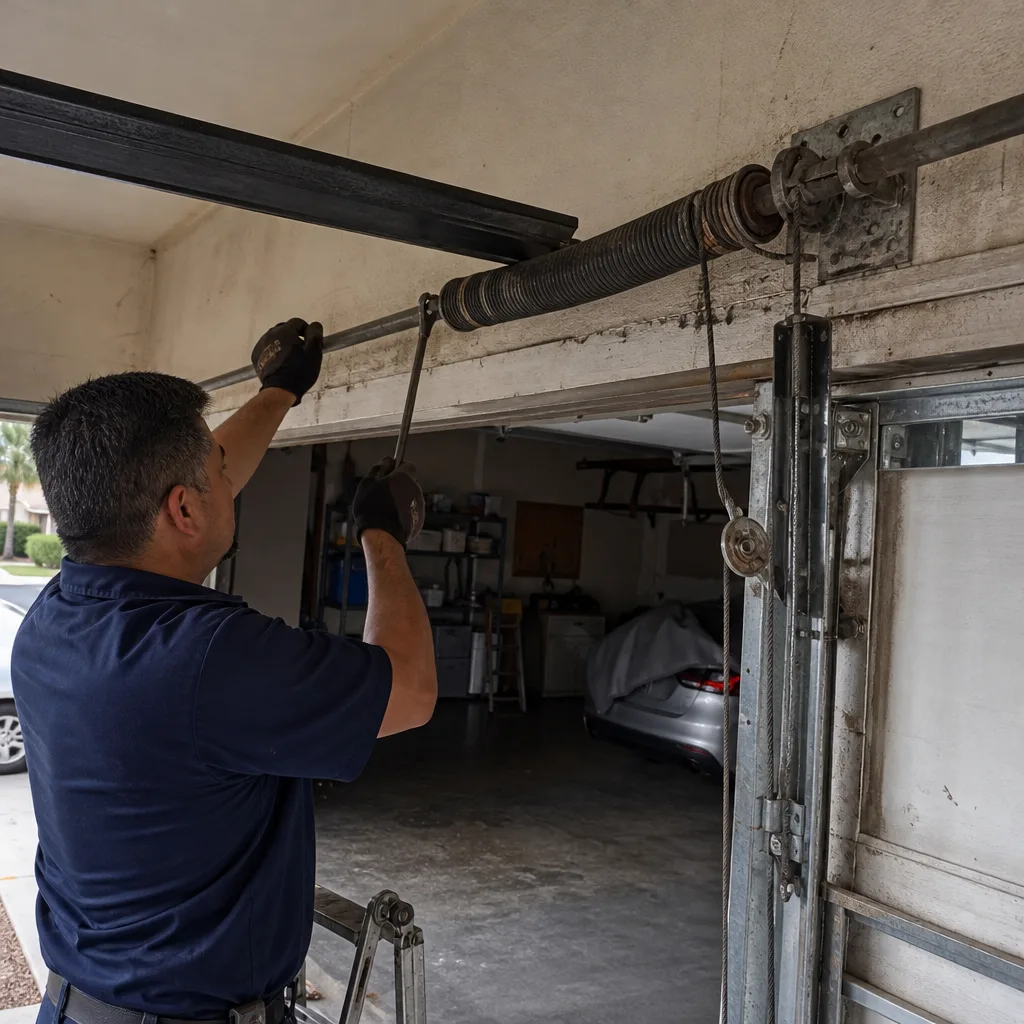 Before
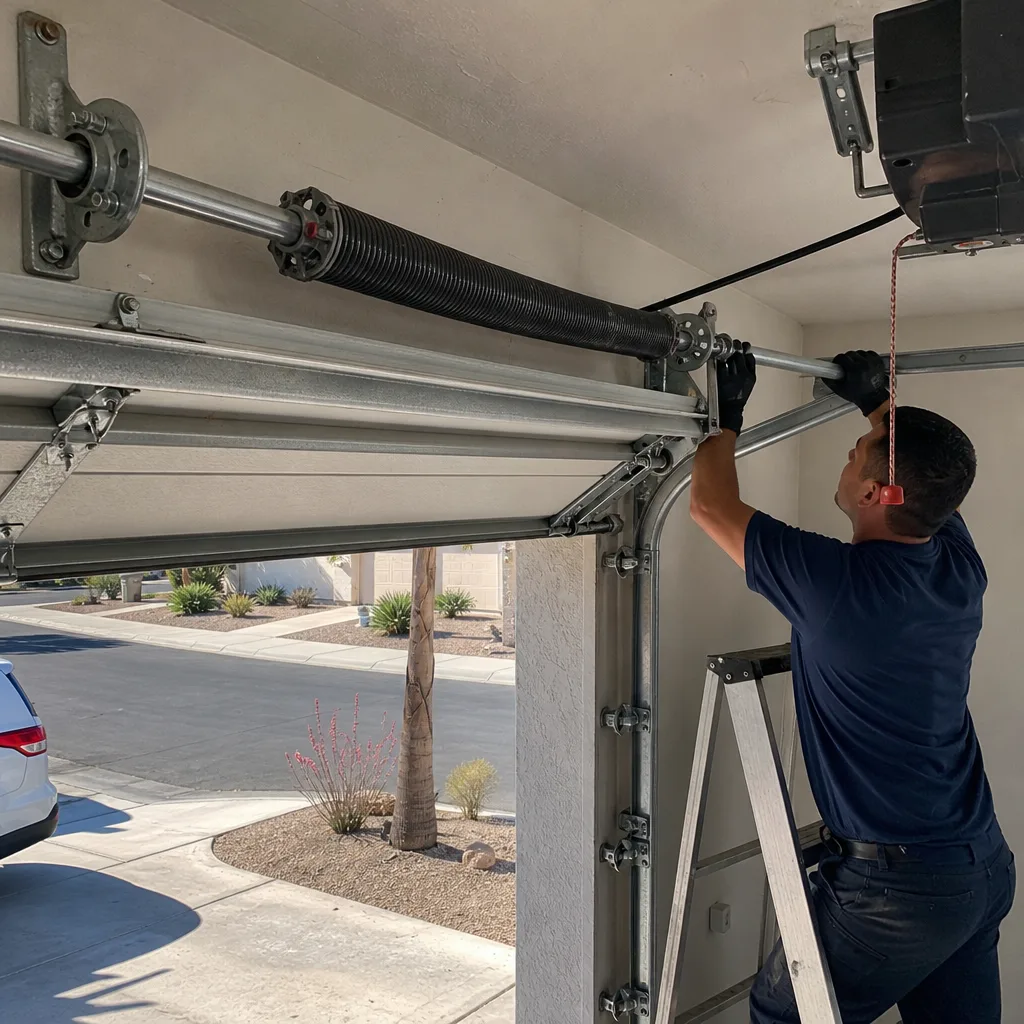 After
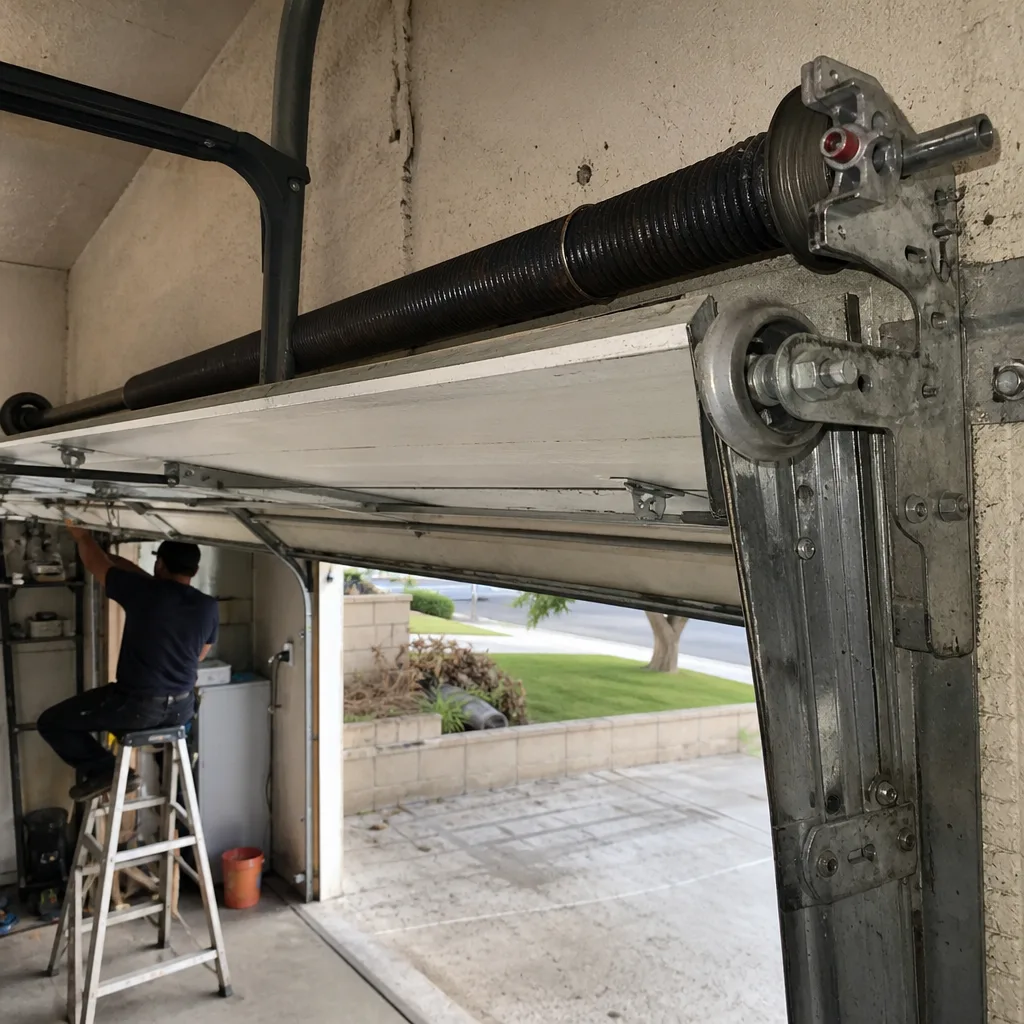 Before
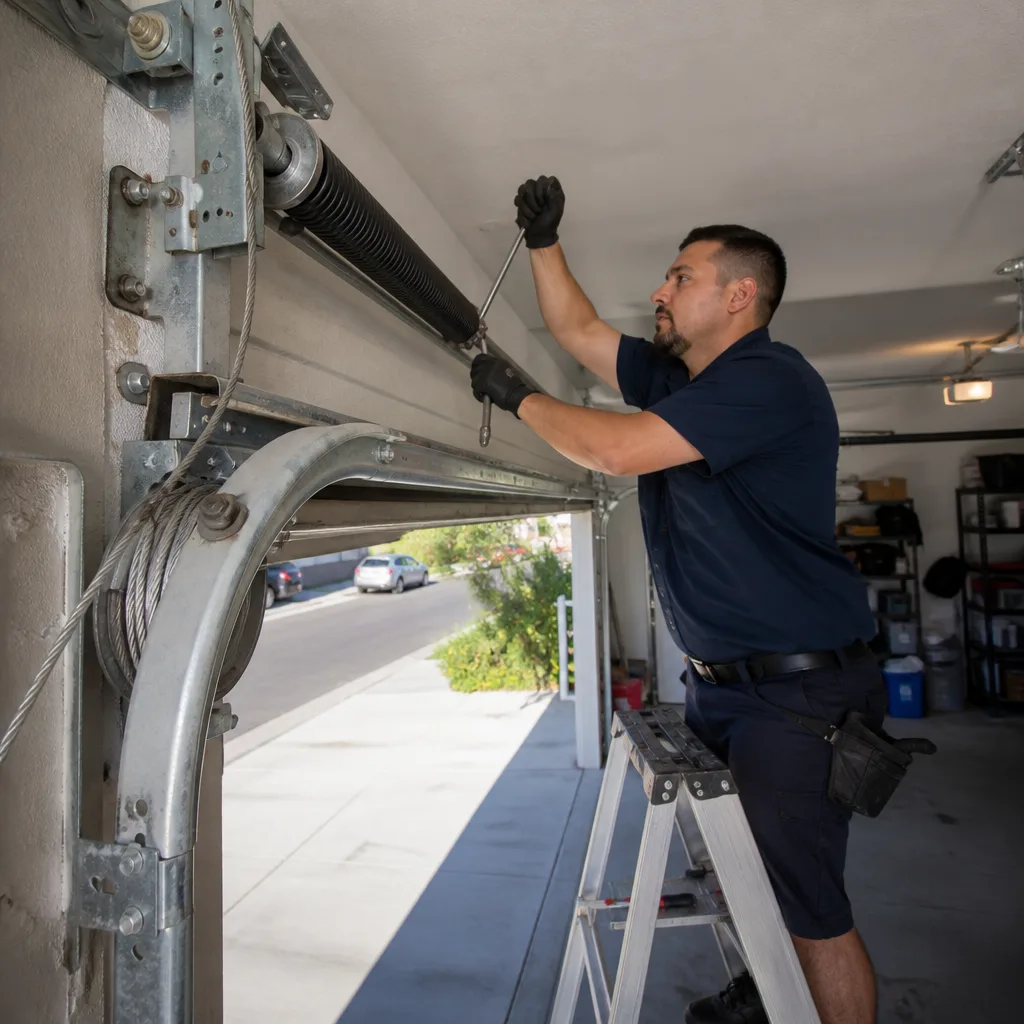 After
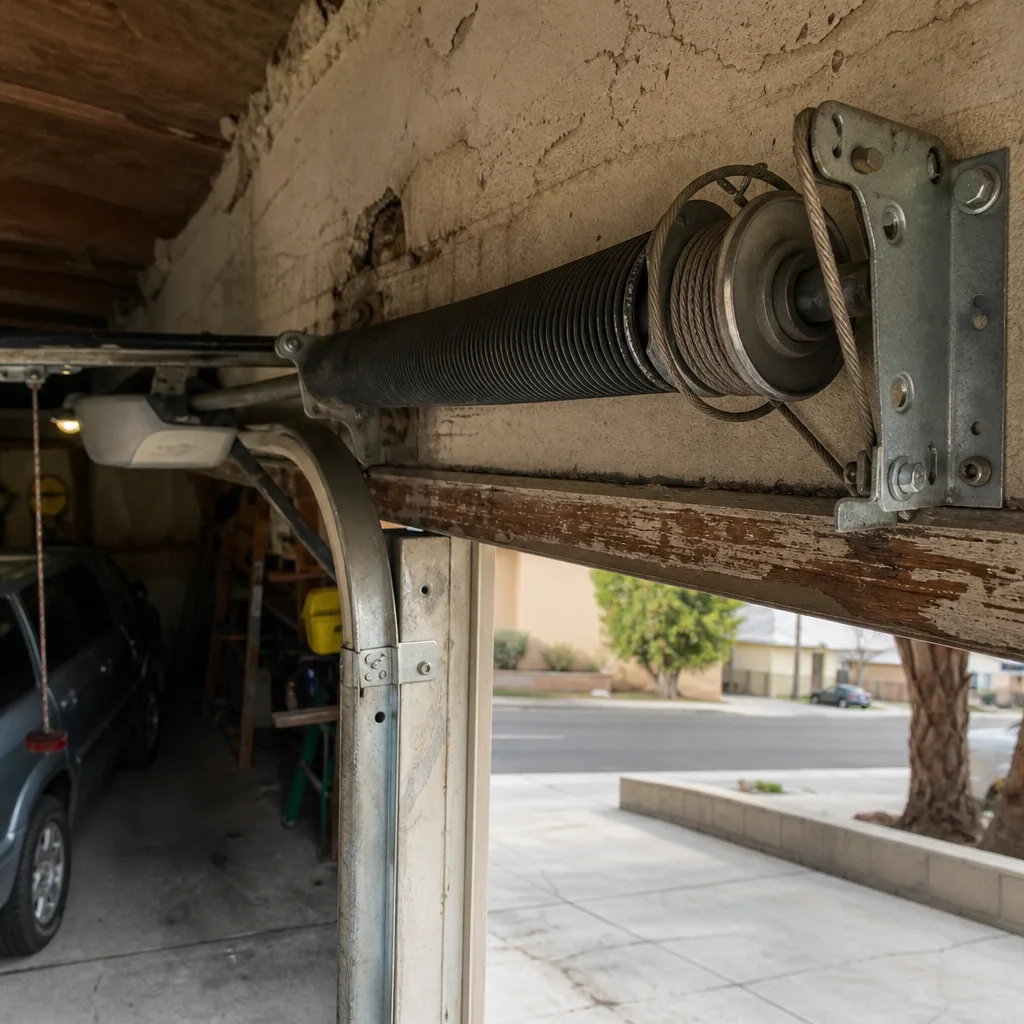 Before
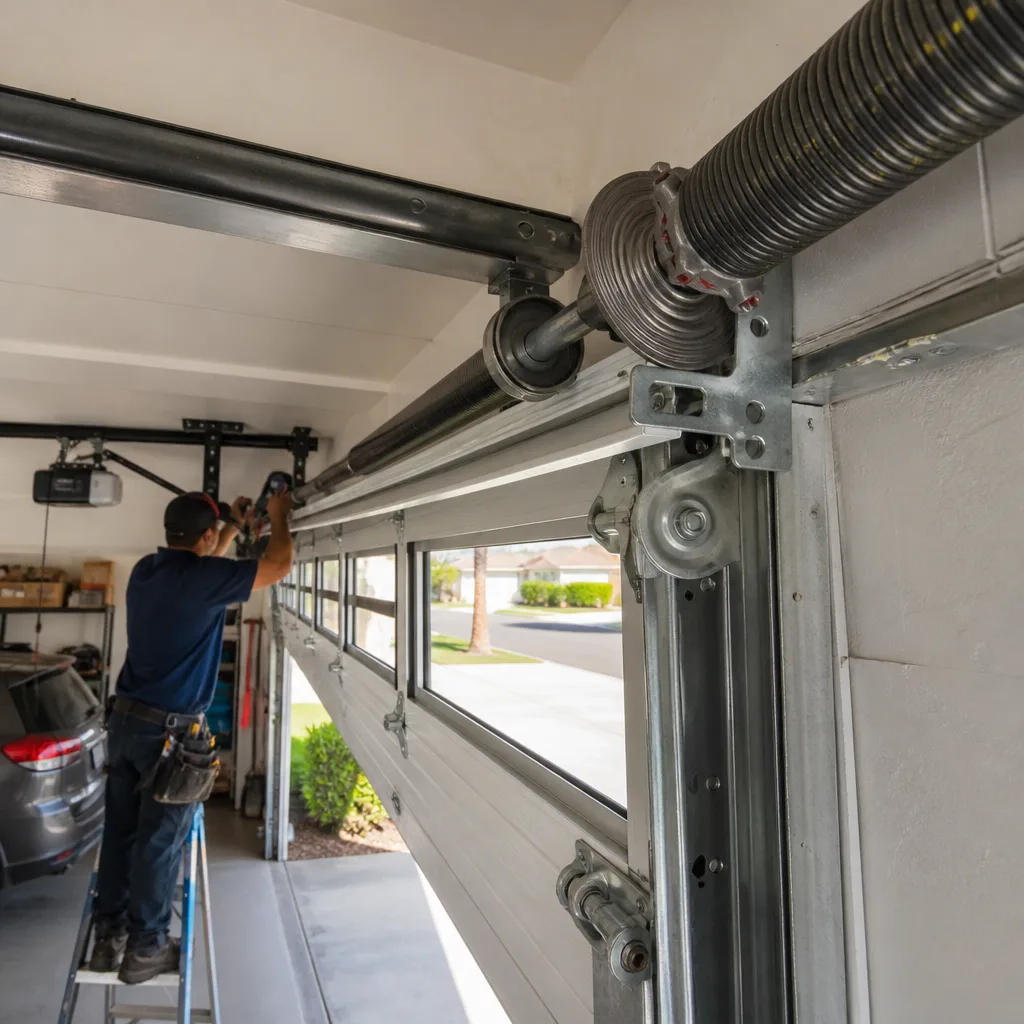 After