
Last updated November 2, 2026
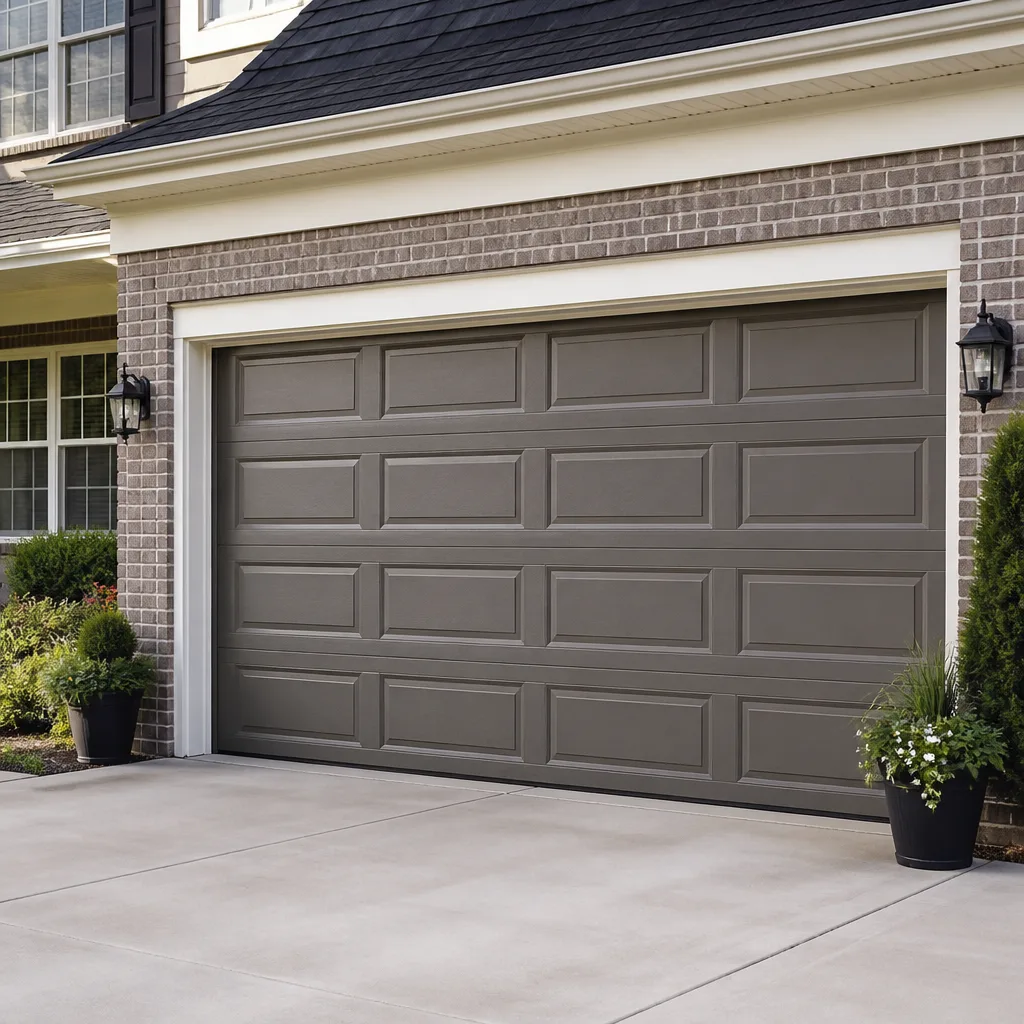 Raised-panel steel
 Carriage house
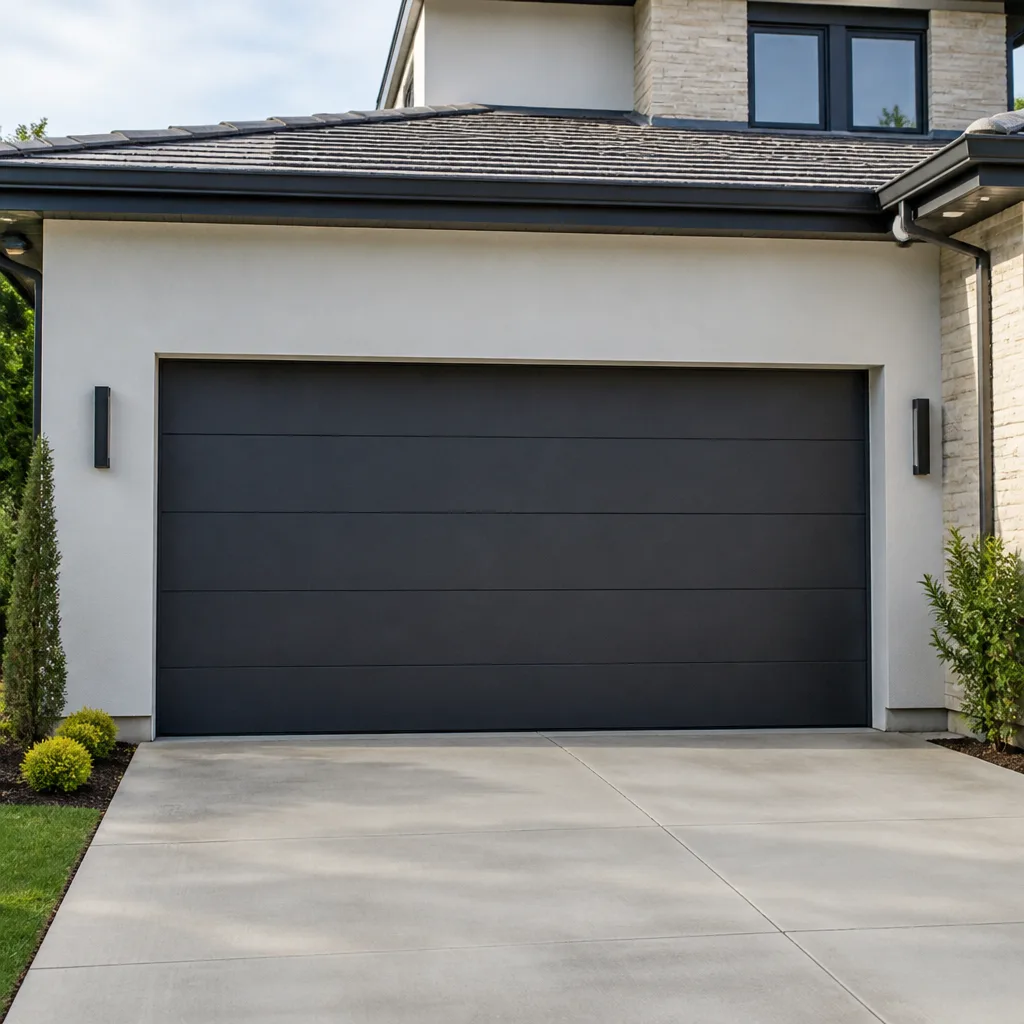 Modern flush
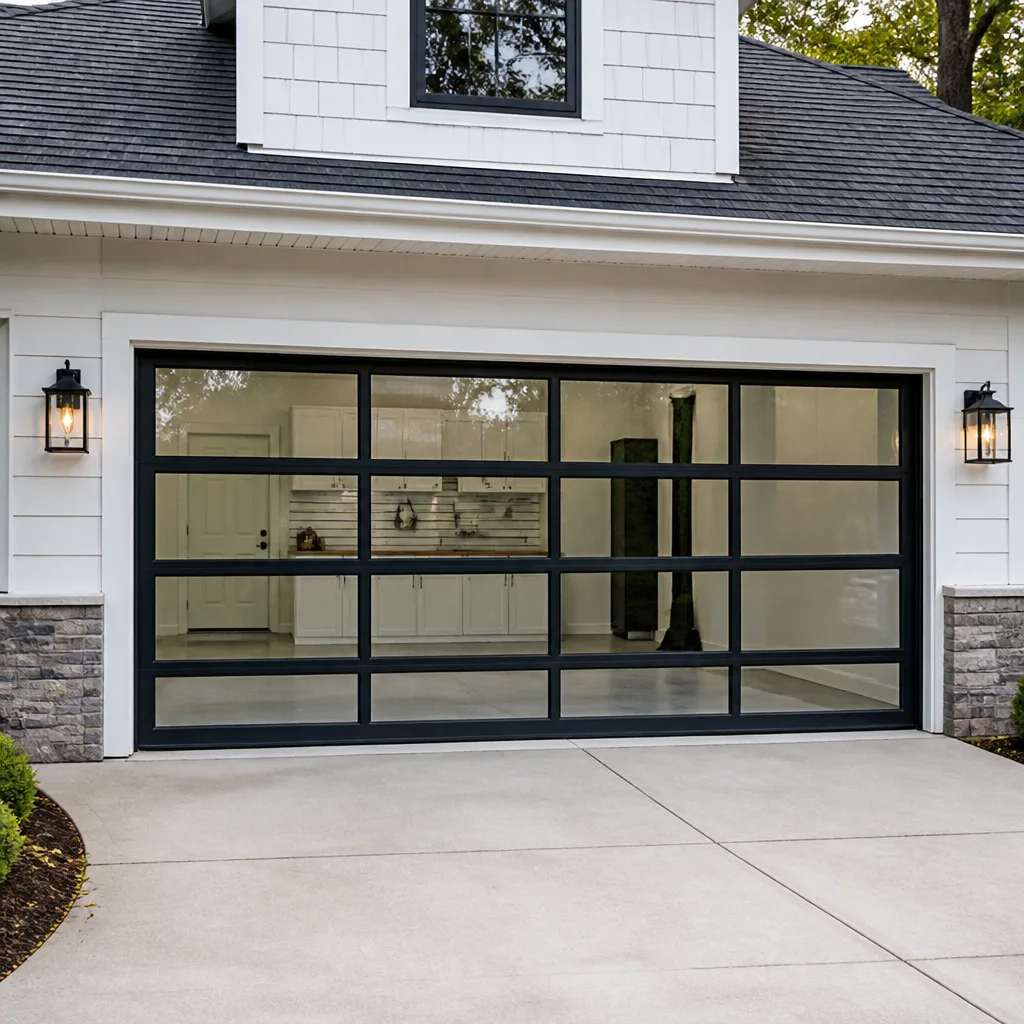 Full-view glass
 LiftMaster openers
 Chamberlain openers
Full 25-point door and opener safety check with every visit - springs, cables, rollers, tracks, and your LiftMaster or Chamberlain opener included
You get a price before we start. It does not change when the truck arrives.
Get your free estimateGarage Door Repair Maintenance Checklist for Cathedral City Homeowners
Lubricating your garage door springs in August in Cathedral City is almost pointless. The heat thins most spray lubricants within days, leaving metal-on-metal contact that sounds like a dying animal and wears parts three times faster than they should. The desert doesn’t just accelerate wear. It changes the rules of maintenance entirely. This guide is built for Coachella Valley conditions, not Ohio. You’ll learn what actually needs attention each month, which products hold up when it’s 110°F, and how to spot a spring or cable problem weeks before it strands you with a door that won’t open on a Monday morning.
Styles & brands we work with
- Raised-panel steel
- Carriage house
- Modern flush
- Full-view glass
- LiftMaster openers
- Chamberlain openers
Quick Answer
A garage door maintenance checklist for Cathedral City should follow a desert-specific calendar: monthly visual inspections of springs, cables, rollers, and tracks for heat-related wear; quarterly lubrication with high-temperature silicone or lithium grease, not standard WD-40; seasonal photo-eye and auto-reverse testing before and after peak summer; and sand and dust clearing from rollers, hinges, and the bottom seal every 60 to 90 days. Most components last 7 to 14 years in this climate with proper care. Call Reliance Garage Door Service home at (833) 593-4550 if you spot spring gaps, frayed cables, or a door that reverses without reason.
Table of Contents
- Why Cathedral City Needs a Different Maintenance Schedule
- Monthly Maintenance Calendar for Cathedral City
- Lubrication in Extreme Heat: What Actually Works
- Sand and Dust: The Checkpoints National Guides Miss
- Testing Auto-Reverse and Photo-Eye Sensors Before Summer
- Spring and Cable Inspection: Signs of Failure Weeks Away
- Common Mistakes to Avoid
- When to Call a Professional
Why Cathedral City Needs a Different Maintenance Schedule
The maintenance advice you find online is written for places with rain, snow, and a mild summer. Cathedral City gets 350 days of sun a year and summer highs that regularly push past 110°F. That’s not a minor difference. It changes which parts fail, when they fail, and how they fail.
We see three desert-specific patterns on service calls in Cathedral City. First, torsion springs lose tension faster here. The combination of daily heat cycling and wide swings between cool desert nights and blazing afternoons fatigues spring steel. A spring rated for 10,000 cycles in a coastal climate often reaches failure closer to 7,000 cycles in the Coachella Valley. Second, lubricant evaporates. Standard spray lubes are gone within days, leaving rollers and hinges running dry. Third, fine sand works its way into every moving part. It grinds nylon rollers, scores metal tracks, and eats through bottom seals that would last years elsewhere.
What does that mean for a maintenance schedule? You can’t follow a once-a-year checklist. You need a rhythm built around the seasons here: pre-summer hardening in March and April, heat-adjusted care June through September, and a post-summer recovery in October and November. The following calendar gives you that rhythm. For a full walkthrough of common repair scenarios in this climate, see our page on Garage Door Repair in Cathedral City.
Monthly Maintenance Calendar for Cathedral City
Here’s a month-by-month framework built for Cathedral City’s actual weather, not a generic temperate-climate template. You don’t need to do everything every month. You need to do the right thing at the right time.
January and February: Cold Morning Checks
Desert winter mornings drop into the 40s before warming to the 70s by noon. That daily swing causes metal parts to expand and contract, loosening bolts and fasteners over time.
- Tighten loose hardware. Work through the bolts and nuts on the hinges, brackets, and track mounts. A wrench, not a drill, keeps you from overtightening.
- Check the door’s balance. Pull the release handle with the door closed, then lift the door manually to knee height and let go. It should hold position. If it sinks, the springs are losing tension and the opener is compensating, which burns out opener motors prematurely.
- Lubricate moving parts with a high-temperature lubricant. Specifically, silicone spray on rollers, hinges, and the lock. Lithium grease on the torsion spring. More on product choice below.
March and April: Pre-Summer Hardening
This is the most important maintenance window in Cathedral City. You’re preparing the door for what’s coming, and catching small problems now beats fixing big ones in July when any repair means working in a 120°F garage.
- Do a full visual inspection. Walk the entire system with a flashlight. Look at springs, cables, rollers, tracks, hinges, and the bottom rubber seal. You’re looking for anything you’ll need to replace before summer makes it worse.
- Test the auto-reverse feature. Place a roll of paper towels or a 2×4 on the ground under the door’s path and close the door. It should reverse within two seconds of contact. If it doesn’t, call a professional. This is a safety issue, not a convenience issue.
- Clean the tracks. Desert dust accumulates inside the vertical and horizontal tracks, especially where they curve. A dry cloth or soft brush gets most of it. Do not grease the tracks. Rollers ride on bearings, and grease in the track just collects sand and creates a paste that slows the door.
- Replace the bottom seal if it shows wear. In Cathedral City, a damaged bottom seal invites fine sand and small pests into the garage. Seals are inexpensive and easy to swap before the heat makes the rubber brittle and harder to work with.
May through September: Heat-Aware Maintenance
Peak summer changes the rules. Lubricants thin or evaporate, metal expands, and the sun bakes the exterior of the door. You want to minimize work in the hottest months and avoid doing things that make problems worse.
- Relubricate more frequently. If you’re using a standard spray lubricant, you’ll need to reapply every 4 to 6 weeks. A high-temperature product lasts longer. Listen for squeaks. A squeak means metal-on-metal contact and accelerated wear.
- Check the weather stripping at the top and sides. Direct sun for 10-plus hours a day breaks down rubber and vinyl quickly. If you see cracks or gaps, replace before dust storms let debris blow through.
- Keep the door’s exterior clean. Dust and sand sit on the surface, and when wind blows it across the surface, it acts like sandpaper on the finish. A quarterly rinse with a hose and mild soap protects the door’s coating, especially on steel doors from brands like Clopay and Amarr.
- Leave the door closed during dust storms. It sounds obvious, but an open door during a blowing dust event dumps grit directly into the tracks, hinges, and rollers. If a door is left open during a storm, clean the tracks and relubricate the next day.
October and November: Post-Summer Recovery
The heat has done its damage. Now is the time to assess and repair before the holiday season brings heavier garage use.
- Do a second full visual inspection. Compare the condition of springs, cables, and rollers now to what you saw in March. The summer tells you what’s wearing.
- Check the opener’s force settings. If your LiftMaster or Genie opener seems to strain or reverse without cause, the motor may be working harder after a summer of heat stress on the springs. Opener-specific issues are covered in our Garage Door Opener Repair in Cathedral City page.
- Lubricate the spring thoroughly. The spring has been flexing in extreme heat for five months. A thorough application of lithium grease at the start of cooler weather helps prevent corrosion during the mild season when condensation occasionally forms.
- Inspect the door’s paint or finish. The UV exposure in Cathedral City fades and cracks finishes faster than almost anywhere. Touch up chips or scratches before winter’s smaller temperature swings let moisture creep under the coating.
December: Light Month, One Check
December in Cathedral City is mild enough that maintenance is light, but one task matters before the holidays increase garage traffic.
- Run the door through three full open-close cycles. Listen for new noises and watch for any hesitation or jerking. Holiday guests mean more open-close cycles, and a door that’s barely hanging on will show itself during this test.
- Verify the opener’s backup battery if you have one. Power interruptions happen in the desert, and a door you can’t open when the power’s out is a problem. Many Chamberlain and LiftMaster openers have a battery backup option worth checking.
Lubrication in Extreme Heat: What Actually Works
The single most common mistake we see in Cathedral City is the wrong lubricant. A national checklist tells you to spray WD-40 on your rollers and springs. In a 75°F climate, that’s mediocre advice. At 110°F, it’s actively harmful.
WD-40 is a solvent and water displacer, not a lubricant. It’s designed to loosen rust and dissolve gunk. In extreme heat, it evaporates within days and leaves parts drier than before. What your garage door needs in Coachella Valley conditions is either a silicone-based spray for rollers, hinges, and locks, or white lithium grease for torsion springs. Silicone stays in place in high heat and doesn’t break down the nylon used in many roller wheels. Lithium grease is thick enough to coat the spring without dripping onto the door or garage floor in the heat.
Here’s the application guide we recommend for Cathedral City’s climate:
- Torsion springs: White lithium grease, applied in a thin, even coat along the spring coil. Do this every 3 months. Keep it off the cables.
- Hinges: Silicone spray on each hinge point, front and back. Wipe excess. Every 2-3 months in summer, every 3-4 months in winter.
- Rollers: If you have metal rollers with ball bearings, a drop of lightweight oil on the bearing works. If you have nylon rollers, silicone spray on the stem only, keeping the wheel itself clean and dry.
- Lock mechanism: Silicone spray, not oil. Oil attracts dust and sand. You want a dry lubricant here.
- Opener chain or belt: Chain-drive openers benefit from a light coat of chain lubricant every 6 months. Belt drives should be left alone. Most Chamberlain and LiftMaster belt systems are maintenance-free by design.
And one rule specific to the desert: never over-lubricate. Excess lubricant acts as a magnet for sand. In Cathedral City, that turns a well-lubricated hinge into a gritty grinding paste within weeks. Apply lubricant, run the door once, then wipe away anything that squeezed out.
Sand and Dust: The Checkpoints National Guides Miss
No national maintenance guide mentions sand. They don’t have to. But in Cathedral City, fine desert dust is a first-order maintenance concern. Sand is abrasive. It’s small enough to enter roller bearings and hinge joints, and it’s relentless. Here’s where to check that other checklists skip.
Roller Bearing Grit
Rollers are the wheels that ride in the tracks. Most have internal ball bearings, and in the Coachella Valley those bearings collect fine sand over time. When a roller’s bearing is packed with grit, the roller stops spinning and starts sliding along the track. That scores the track, creates resistance, and wears the roller flat on one side. You’ll hear a grinding sound and may see flat spots on the roller when you inspect it. If a roller is no longer round, replace it. Most Cathedral City doors need roller replacement every 5 to 8 years, faster than in wetter climates.
Bottom Seal Debris
The rubber or vinyl strip along the bottom of your door keeps out more than weather. In Cathedral City, it’s the barrier between your garage and the sand that blows across driveways. Run a finger along the bottom seal every couple of months. If it’s crusty with embedded sand or cracked, it’s time for a new one. A worn bottom seal lets sand in, and sand in the garage floor finds its way onto tools, storage, and eventually the door’s tracks.
Track Crevice Build-Up
The vertical and horizontal tracks collect dust in the crevice where the rollers sit. Over months, this dust compacts. If enough accumulates, the door’s rollers can’t move freely, and the opener works harder to move the door. Clean tracks with a dry cloth or brush whenever you see visible dust accumulation. Don’t use water, which creates mud in the track, and don’t use lubricant in the track, which makes the dust stick.
Opener Gear and Chain
If you have a chain-drive opener, the chain and gear attract dust to whatever lubricant they carry. Wipe the chain with a dry cloth every few months and reapply a light chain lubricant. On screw-drive openers, which are less common in newer Genie and LiftMaster models, excess grease and desert dust create a paste that strains the motor. Keep the screw clean and lightly greased, never caked.
This specific desert maintenance is part of the reason we recommend a professional tune-up once a year. It’s not that these tasks are difficult. It’s that there are many of them, and they’re spread across a system with a half-dozen failure points. For the full scope of what a professional repair call handles, see Garage Door Repair in Cathedral City.
Testing Auto-Reverse and Photo-Eye Sensors Before Summer
Every garage door opener made since 1993 has an auto-reverse mechanism that stops and reverses the door if it hits something. Every opener also has photo-eye sensors near the floor that detect objects in the door’s path. Both are safety features, and both are affected by Cathedral City’s heat.
Photo-eye sensors sit a few inches off the garage floor. They emit an infrared beam from one side to the other. In summer, extreme heat can warp the sensor brackets just enough to misalign the beam. A sensor that’s even slightly out of alignment will cause your door to reverse for no apparent reason, or refuse to close at all. You’ll see the LED indicator on the sensor blinking instead of staying solid. The fix is usually to gently bend the bracket back toward alignment until the light is solid, but if the bracket itself is warped, it needs replacement.
The auto-reverse mechanism relies on a force setting inside the opener. The door should reverse when it contacts an object. Over time, especially after heat stress on springs and rollers, the door’s balance shifts and the opener needs more force to move it. When force settings are too high, the door won’t reverse when it should. Testing is simple:
- Place a roll of paper towels, a brick, or a 2×4 flat on the ground under the center of the door’s path.
- Close the door using the opener.
- Watch what happens when the door makes contact with the object. The door should reverse immediately and return to the open position.
- Repeat the test with the object off to one side. The door should still reverse.
Do this test in March or April, before the summer heat, and again in October after the heat has passed. If the door does not reverse immediately, stop using it and call a professional. Do not adjust opener force settings yourself. The mechanism involves high-tension springs and sensitive electronics, and getting it wrong creates a door that can cause serious injury. In Cathedral City’s climate, these settings drift over time, so annual professional verification is the safest way to be sure.
Spring and Cable Inspection: Signs of Failure Weeks Away
Springs and cables fail suddenly, but they tell you weeks or months in advance. The key is knowing what to look for, because in Cathedral City’s climate the warning signs show up earlier and more aggressively.
Torsion Spring Gaps
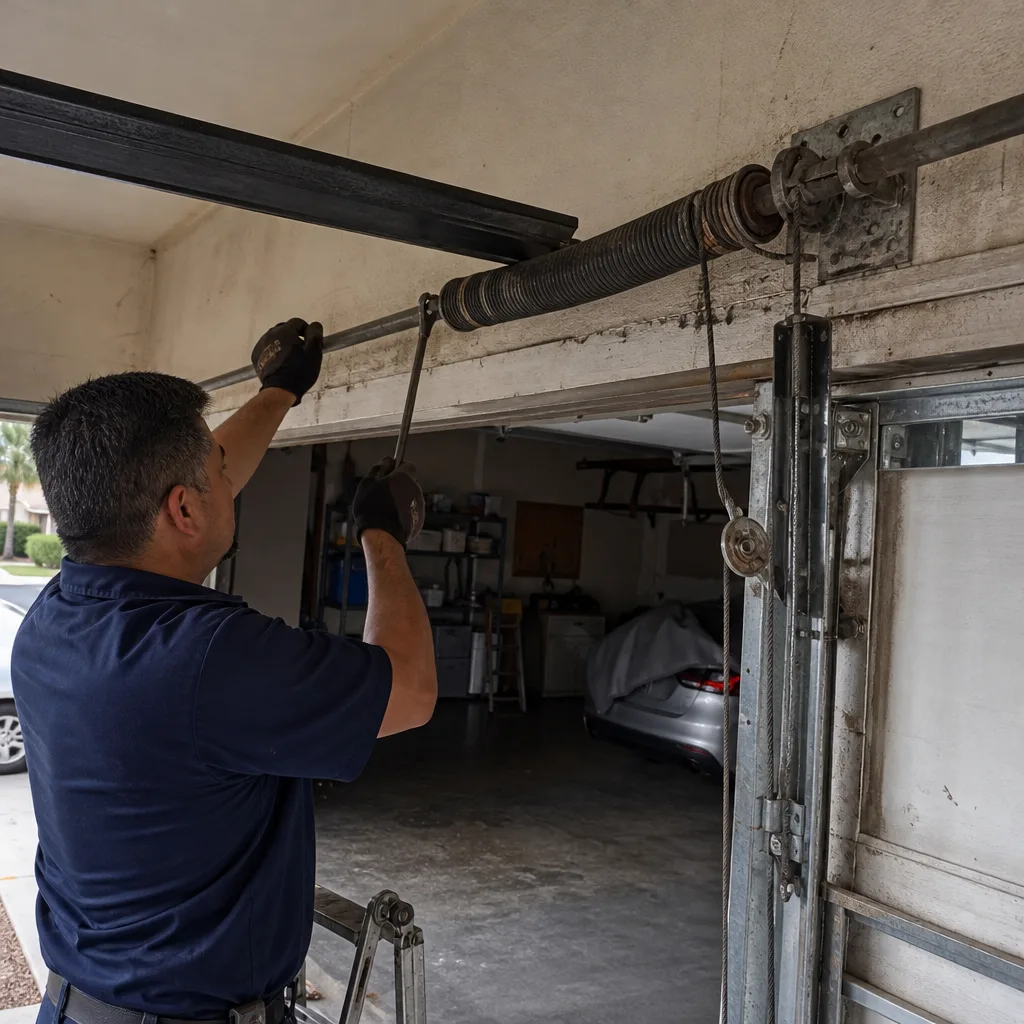
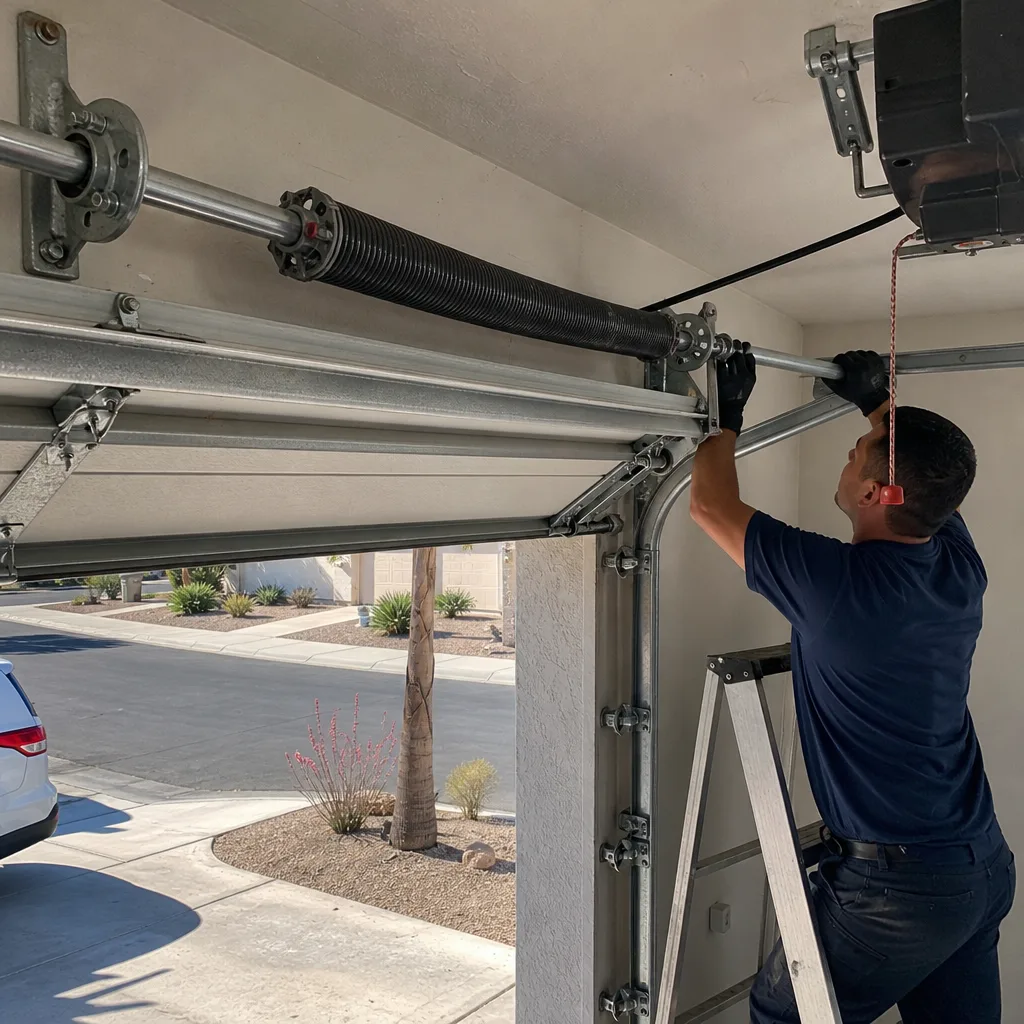
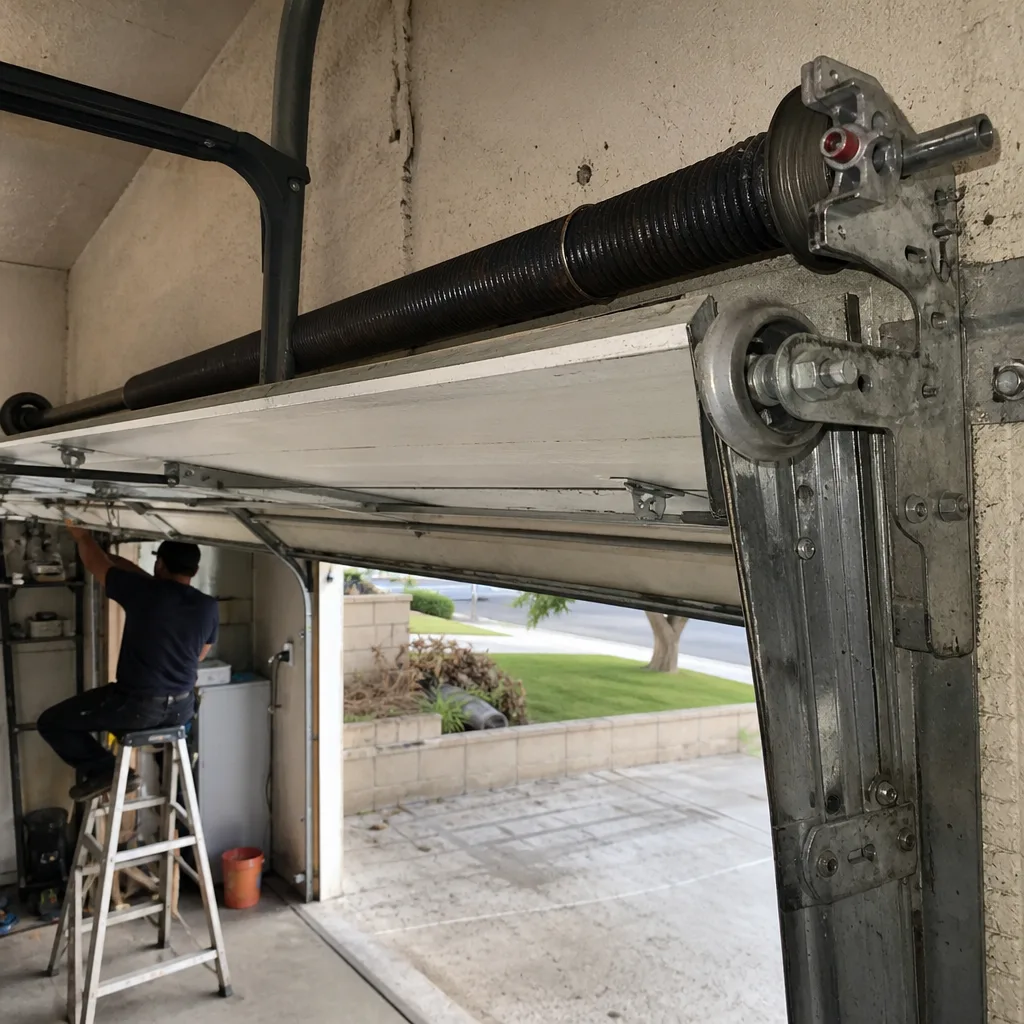
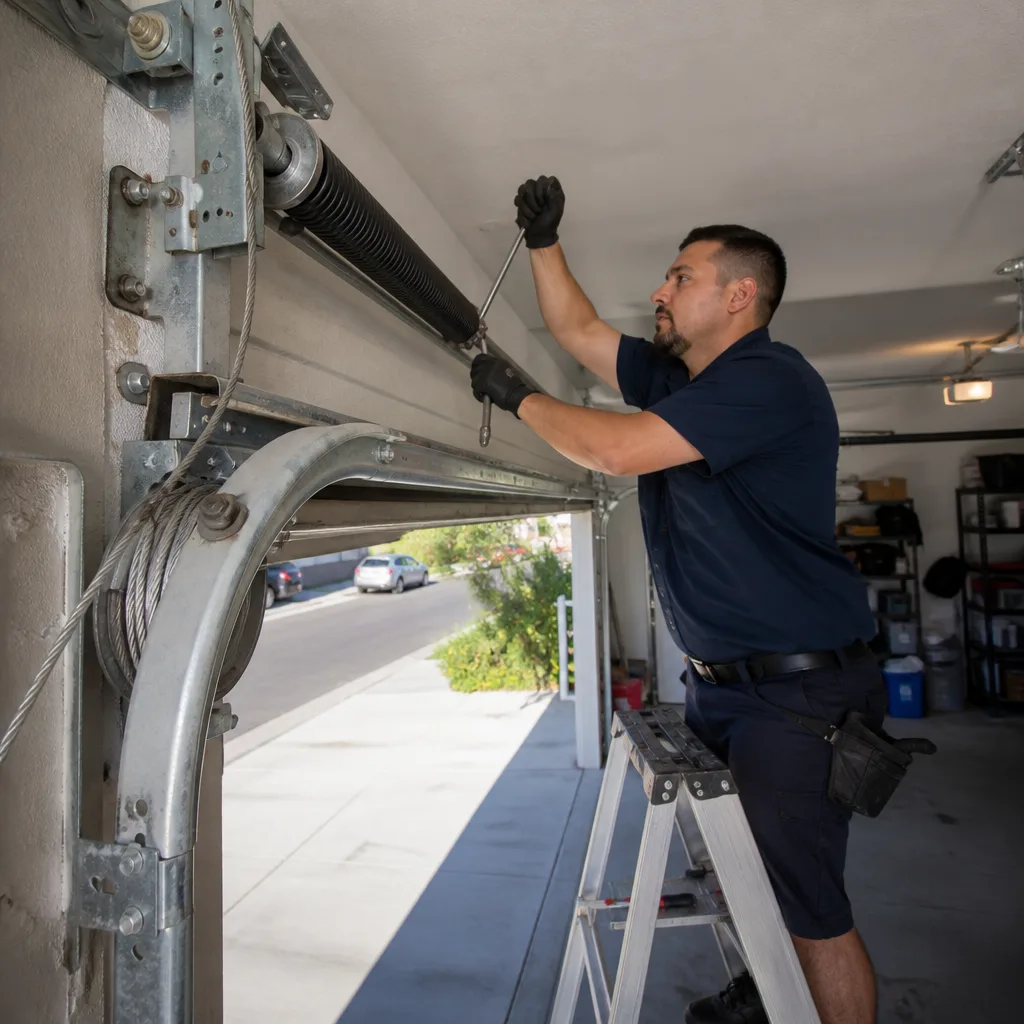
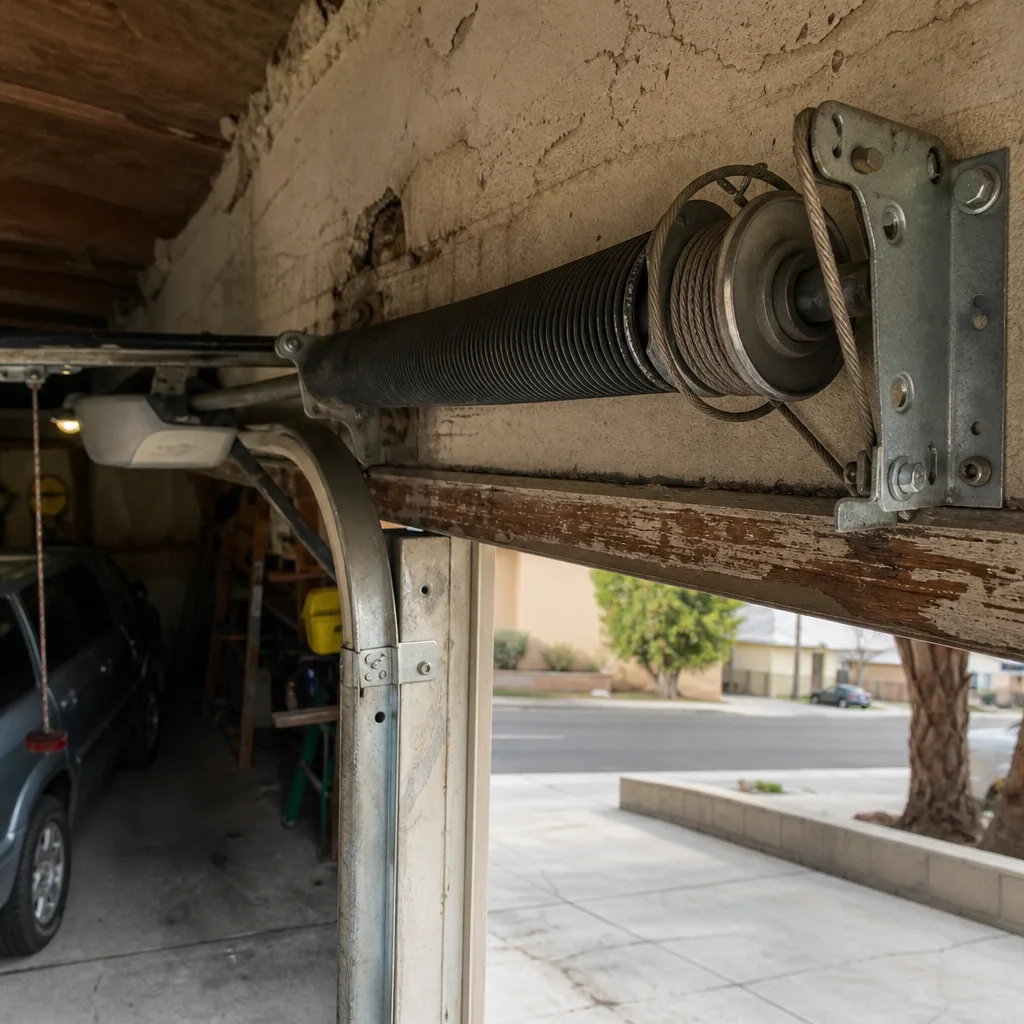
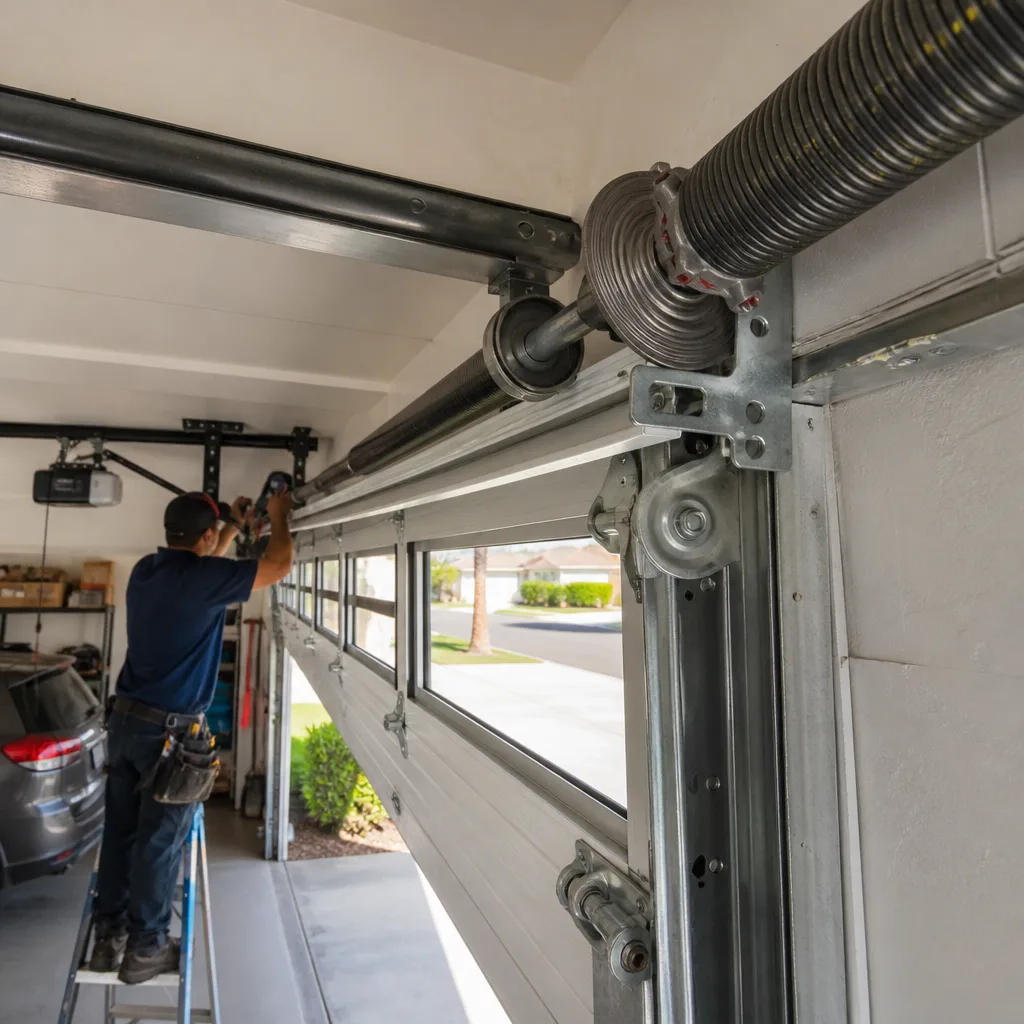
Your torsion spring is the coiled bar above the door. In a healthy spring, the coils sit tight against each other with no visible gaps. When the spring nears the end of its service life, the coils begin to separate slightly. You’ll see thin gaps between the coils. This is the first visual warning. A spring with visible gaps can still work, but it’s weeks, not months, from breaking. A broken spring means the door won’t open, and the entire weight of the door is released abruptly, which is dangerous. If you see gaps or a two-piece spring with one side snapped, call a professional. Spring replacement is not a DIY job. The stored tension can cause severe injury.
Rust and Pitting
Cathedral City’s low humidity spares springs from heavy rust, but condensation on cool desert mornings creates surface oxidation over time. Surface rust is cosmetic, but deep pitting creates stress concentrations that accelerate spring fatigue. If your spring shows heavy pitting or flaking metal, budget for replacement even if it hasn’t broken yet.
Cable Fraying
The cables run from the bottom brackets of the door up to the drum above. They carry the door’s weight as it moves. Look for a few key things: frayed strands anywhere along the cable, kinks or sharp bends, rust at the drum, or a cable that’s begun to unwind from the drum. Any of these means failure is close. A snapped cable in a door with a broken spring can send the door crashing down, which is why cable work is also a professional job. When you have Garage Door Installation in Cathedral City done, ensure the cables are checked as part of the install.
Door Balance as a Proxy for Spring Health
The balance test tells you what’s happening with your springs without touching them. Pull the release handle, lift the door manually to about waist height, and let go. Three things can happen. If the door stays put, the springs are doing their job. If the door drops, the springs are under-tensioned or failing. If the door rises on its own, the springs are over-tensioned. Both directions mean the springs are out of spec, and the opener is working against them. Over months, that burns out the opener’s motor, which is a more expensive repair than spring replacement.
Common Mistakes to Avoid
- Using WD-40 on the springs or rollers. It’s a solvent, not a lubricant, and in Cathedral City’s heat it evaporates almost immediately, leaving parts drier than before. Silicone spray or white lithium grease is the right choice.
- Greasing the tracks. Tracks are meant to be dry. Grease in the track catches desert dust and creates an abrasive paste that slows the door and wears the rollers flat. Clean tracks with a dry cloth only.
- Skipping the seasonal auto-reverse test. Heat warps sensor brackets and shifts door balance. A door that doesn’t reverse is a serious safety hazard, not a minor annoyance.
- Ignoring a slow-moving door. A door that moves slower than it used to is telling you something. Usually it’s a spring losing tension or a roller binding. Waiting means the part fails completely, often at the worst possible moment.
- Replacing the bottom seal with a cheap generic substitute. In Cathedral City, the bottom seal is the difference between a clean garage and a sand-dusted one. A quality rubber seal from a brand like Clopay or Amarr fits correctly and lasts longer than generic vinyl.
- Attempting spring or cable work as a DIY project. Garage door springs hold enough tension to cause severe injury or death when they release. Even with online tutorials, this is a job for a trained professional with the right tools and experience.
- Neglecting the opener until it fails completely. Most opener failures show symptoms for months: grinding, slow movement, reversing without cause, or a chain that slips. Addressing those symptoms early, whether on a Chamberlain, LiftMaster, or Genie unit, prevents a full replacement. Our Garage Door Opener Repair in Cathedral City page covers common opener failure patterns in detail.
When to Call a Professional
Some tasks on this checklist are safe and straightforward: tightening bolts, cleaning tracks, testing the reversal mechanism, replacing a bottom seal. Others belong in professional hands. Springs and cables carry the full weight of the door under high tension. If a torsion spring has visible gaps, if a cable is fraying or unwinding, or if the door’s balance is failing, do not attempt a repair yourself. The same applies to opener force adjustments and photo-eye bracket replacement. These are high-risk, and getting them wrong creates a door that can cause serious injury.
Reliance Garage Door Service offers free estimates in Cathedral City. Call (833) 593-4550 and we’ll inspect your system, quote the repair before any work begins, and handle the job with the right tools and experience. We work on LiftMaster, Chamberlain, Genie, Clopay, and every other major brand. One call covers the door and the opener.
Frequently Asked Questions
Lubricate every 2 to 3 months using a high-temperature silicone spray on rollers and hinges, and white lithium grease on the torsion spring. In summer peak heat, you may need to lubricate more frequently because extreme temperatures thin and evaporate lubricants faster. Call (833) 593-4550 if you’re unsure which product to use on your specific door.
White lithium grease for torsion springs and silicone spray for rollers, hinges, and locks. Standard WD-40 fails in Cathedral City’s heat because it evaporates within days and leaves parts unprotected. Avoid any product that feels thin and runny when applied.
Look for visible gaps between the coils of the torsion spring, heavy rust or pitting, a door that sinks when balanced manually at knee height, or a door that’s noticeably slower than it used to be. Any of these signs means spring failure is weeks or months away, not years. Spring replacement is a job for a trained professional, not a DIY fix. Call (833) 593-4550 for an inspection in Cathedral City.
Summer heat warps photo-eye sensor brackets, which misaligns the infrared beam and tells the opener to reverse. Check the sensor’s LED light. If it’s blinking, the beam is out of alignment. Gently adjust the bracket until the light is solid. If the bracket is warped, it needs replacement.
Yes. Fine desert sand gets into roller bearings, hinge joints, and the track crevice, where it acts as an abrasive and accelerated wear. Cathedral City doors need roller replacement every 5 to 8 years, faster than in wetter climates, largely because of sand infiltration. Clean the tracks and inspect the rollers after every major dust storm.
A well-maintained garage door in Cathedral City typically lasts 15 to 20 years, but springs and rollers have shorter lives. Springs usually last 7 to 10 years in the desert, and rollers need replacement every 5 to 8 years. The better you are about the monthly and seasonal checklist, the longer each component lasts. For an assessment of your door’s remaining service life, call Reliance Garage Door Service at (833) 593-4550.
The Bottom Line
Garage door maintenance in Cathedral City isn’t a once-a-year task. It’s a rhythm. Cold January mornings require hardware checks. Spring is for hardening the system before summer. The summer months demand more frequent lubrication and dust management. Fall is for post-heat recovery. The biggest mistakes are using the wrong lubricant, greasing the tracks, and ignoring a slow or noisy door. Springs and cables give you warning signs if you know where to look. Catch them early and the repair is affordable. Miss them and you’re dealing with a door that won’t open at the worst possible time. Reliance Garage Door Service works on the brand you already have, and one call covers it.
Written by the team at Reliance Garage Door Service, serving Cathedral City since 2016.
See the difference
 Before
 After
 Before
 After
 Before
 After